
Filters
Clutch release bearing

Clutch release bearing – 02A141165D
€5.00

Clutch release bearing – 9126225
€8.00

Clutch release bearing – 8200846748
€8.00

Clutch release bearing – 8201035313
€8.00

Clutch release bearing – 8200046102
€9.60

Clutch release bearing – 804526
€9.67

Clutch release bearing – 9126238
€9.90

Clutch release bearing – A0002541608
€9.99

Clutch release bearing – CBU543625J
€10.00

Clutch release bearing – 55597066
€10.00

Clutch release bearing – 8667378
€10.41

Clutch release bearing – 24422061
€10.45

Clutch release bearing – 3140005012
€10.59

Clutch release bearing – BB40530S35
€10.75

Clutch release bearing – 8636105
€11.25
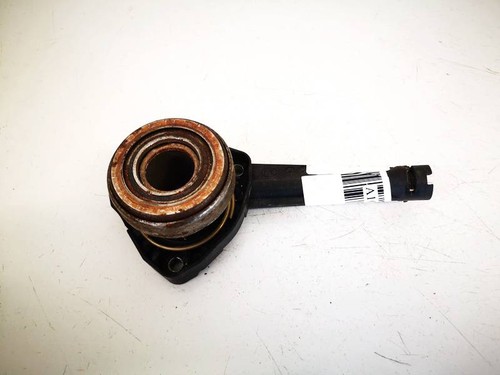
Clutch release bearing – 510002511
€11.50

Clutch release bearing – 0A5141671L
€11.90

Clutch release bearing – 0A5141671D
€12.00
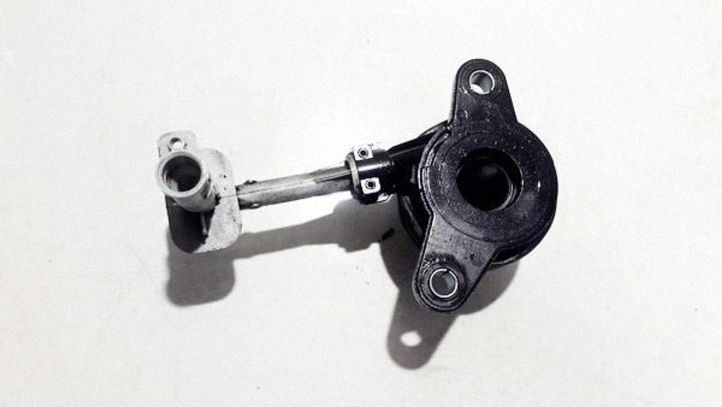
Clutch release bearing – 8200855816
€12.10

Clutch release bearing – 510018010
€12.89
Symptoms of a worn clutch release bearing
- A whirring or grinding noise that appears the moment the pedal is pressed
- Chirping or squealing at idle that quietens when you touch the clutch
- Vibration felt through the clutch pedal
- A stiff or notchy pedal that's lost its smooth travel
- Difficulty getting into gear, especially first and reverse
- Noise that changes pitch as the pedal moves through its travel
How to choose the right clutch release bearing for your car
- Vehicle compatibility: Match the make, model, year, engine, gearbox type, and OEM part number.
- Manual gearbox compatibility: Release bearings are transmission-specific.
- Standard or concentric slave cylinder (CSC): Some vehicles use integrated hydraulic release bearings.
- Clutch kit compatibility: Verify compatibility with the clutch disc and pressure plate.
- Bearing diameter and height: Dimensions must match the clutch assembly.
- Hydraulic or mechanical operation: Different release systems require different bearing types.
- Mounting and guide tube compatibility: Check fitment on the gearbox input shaft.
- OEM or aftermarket specification: Ensure proper durability and smooth operation.
- Included seals or hydraulic lines: Some CSC units include additional components.
- Condition: Inspect for noise, rough rotation, leaks, wear, or damaged housing.
What to check before buying aclutch release bearing
- Photos: Shots of the bearing face, contact surface, guide sleeve, and any hydraulic fittings.
- Seller reputation: Buyer feedback, sales history, and review quality.
- Compatibility: OEM number and gearbox code cross-checked against your car.
- Included components: Bearing only, or a CSC with seals and bleed lines?
- Condition: Rough rotation, dry spots, leaks on CSC units, damaged housing.
- Testing: Confirmation the bearing spins smoothly and quietly by hand.
- Warranty and returns: A clear path if the bearing arrives noisy or leaking.
- Shipping: Padded packaging so the contact face and fittings survive transit.
- Documentation: Donor vehicle details and proof of removal.
How much does a clutch release bearing cost?
- Design: Standard mechanical bearings sit below hydraulic CSC units.
- Brand: OEM sits at the top of the range; quality aftermarket sits below.
- Vehicle rarity: Common gearboxes are cheaper; specialist applications cost more.
- Inclusions: Seals, bleed lines, and guide sleeves bundled add value.
- Condition: Smooth, quiet, leak-free units command a clear premium.
Broken clutch release bearing? Inspect these surrounding parts too
- Clutch disc: Friction material wears at a similar rate to the bearing; replace together.
- Pressure plate: Worn or grooved fingers chew up a fresh bearing quickly.
- Flywheel: Heat marks and scoring need machining or replacement before the rebuild.
- Clutch release fork: Worn pivot points cause uneven bearing pressure and early failure.
- Guide tube: A scored sleeve stops the bearing sliding smoothly.
- Pilot bearing: Cheap to renew while the gearbox is already out.
- Slave cylinder: External units perish at a similar age to the bearing.