
Filters
Clutch pressure plate

Clutch pressure plate – 791579
€5.00

Clutch pressure plate – 1423E44VC
€6.75

Clutch pressure plate – 038141025D
€7.00

Clutch pressure plate – 038141032G
€8.92
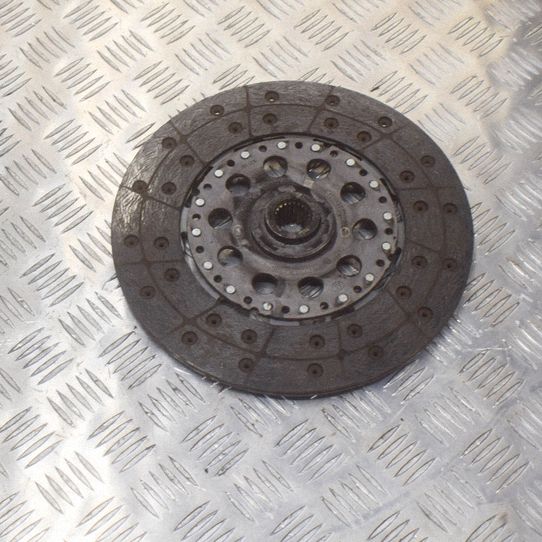
Clutch pressure plate – SH0216460
€9.00

Clutch pressure plate – 324043010
€9.18

Clutch pressure plate – 324045010
€9.80

Clutch pressure plate – 324042310
€9.85

Clutch pressure plate – 324032710
€9.88

Clutch pressure plate – 30210AU600
€9.88

Clutch pressure plate – 028141036L
€9.90

Clutch pressure plate – 9176204
€10.00

Clutch pressure plate – 323051510
€10.00

Clutch pressure plate – 323056510
€10.00

Clutch pressure plate – 324036310
€10.00

Clutch pressure plate – 301002F217
€10.00

Clutch pressure plate – 9648718280
€10.00

Clutch pressure plate – 324027410
€10.00

Clutch pressure plate – 322014711
€10.00
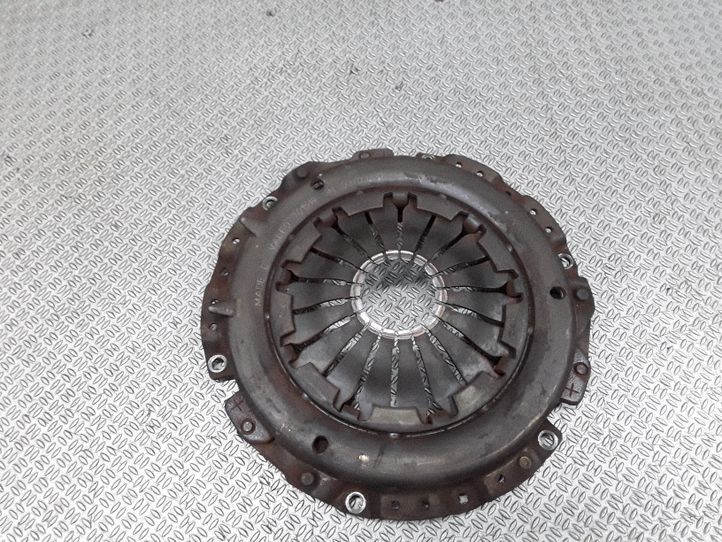
Clutch pressure plate – 701519
€10.00
Types of Clutch Pressure Plates
- Diaphragm spring: A single cone-shaped spring does the clamping. By far the most common type on modern cars, light on the pedal and compact.
- Coil spring (long-style): Several coil springs sit around the cover. Older and heavy-duty designs use these, and they suit high-torque and performance applications.
- Self-adjusting (SAC): A clever cover that compensates for clutch wear to keep the pedal feel steady. Fitted to many newer cars and not interchangeable with a standard plate.
When should the Clutch Pressure Plate be replaced?
- Clutch slip: The revs climb, but the car doesn't pull, especially uphill or under load.
- A high or grabbing bite point: The clutch engages right at the top of the pedal travel.
- Juddering as you pull away: A warped plate or worn diaphragm gripping unevenly.
- Awkward gear changes: The plate not fully releasing, making shifts notchy.
- A burning smell: Overheated friction material from a slipping clutch.
- A change in pedal feel: The pedal going light, heavy, or vague as the springs tire.
How to pick the right Clutch Pressure Plate for your car?
- Vehicle compatibility: Match make, model, year, engine code, and OEM part number.
- OEM part number: Most reliable way to ensure correct fitment.
- Engine code: Different engine variants may use different clutch assemblies.
- Transmission type: Manual transmissions may use different pressure plates.
- Clutch diameter: Must match the clutch disc and flywheel specifications.
- Number of mounting bolts: Verify bolt pattern and mounting points.
- Flywheel compatibility: Must match single-mass or dual-mass flywheel design.
- Clutch kit compatibility: The pressure plate should match the corresponding clutch disc and release bearing.
- Torque rating: Must be suitable for the engine’s power and torque output.
- Self-adjusting clutch (SAC) compatibility: Some vehicles use self-adjusting pressure plates.
- Manufacturer specification: Verify OEM or equivalent performance specifications.
- Condition: Inspect for heat spots, cracks, warped surfaces, or damaged diaphragm springs.
What to verify before buying a Clutch Pressure Plate online
- Photos: The friction face, the diaphragm or springs, the cover, and the bolt holes.
- Seller reputation: An established seller with strong, consistent reviews.
- Compatibility: OEM number and clutch diameter confirmed against yours.
- Included components: Plate alone, or as part of a kit with disc and bearing?
- Condition: Heat spots, cracks, a warped face, or worn diaphragm fingers.
- Testing: Word that the plate came off a low-mileage or recently rebuilt clutch.
- Warranty and returns: A clear policy should be in place in case the plate proves worn or warped.
- Shipping: The plate is boxed firmly so the cover and fingers aren't bent in transit.
- Documentation: The donor car's details and confirmation of a careful strip-down.
How much does a Clutch Pressure Plate usually cost?
- Type: Self-adjusting and heavy-duty plates cost more than a standard diaphragm one.
- Brand: OEM-made plates sit above unbranded aftermarket units.
- Torque rating: Plates for high-output engines carry a premium.
- Model rarity: Plates for common cars stay cheap; rare or performance cars climb.
- Condition: A plate with a clean, unworn friction face takes the higher price.
Don't forget to inspect these other Clutch parts too
- Flywheel: The plate clamps against it, so check its face for heat damage and wear.
- Clutch kit: Often the cheapest route, bundling the plate, disc, and bearing together.
- Clutch release bearing: Worn bearings whine and should be renewed with the plate.
- Clutch release arm fork: A bent or worn fork puts uneven load on the plate.
- Clutch slave cylinder: A weak slave cylinder stops the plate releasing fully.
- Clutch disc: Renew with the plate so fresh friction meets a fresh clamping face.
- Transmission mounts: Worn mounts let the drivetrain move and wear the clutch unevenly.