
Filters
Turbocharger actuator
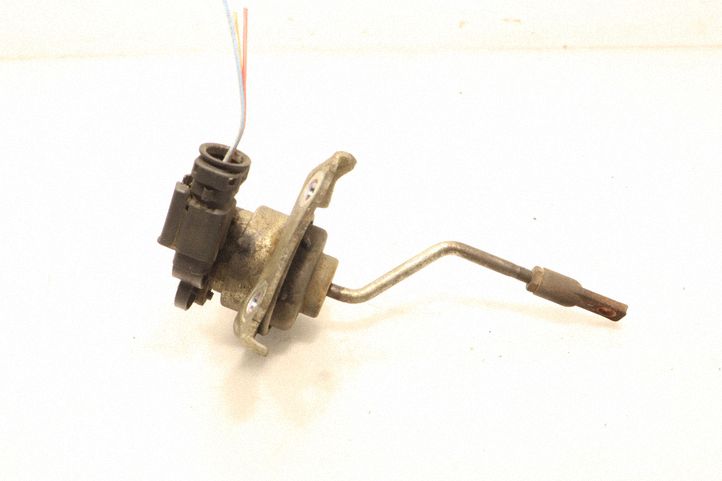
37318100
Turbocharger actuator – 37318100
€23.29

A0001531159
Turbocharger actuator – A0001531159
€24.90

79243003
Turbocharger actuator – 79243003
€40.00

4011186AN
Turbocharger actuator – 4011186AN
€45.00

4933501960
Turbocharger actuator – 4933501960
€49.00

8422320039
Turbocharger actuator – 8422320039
€49.08
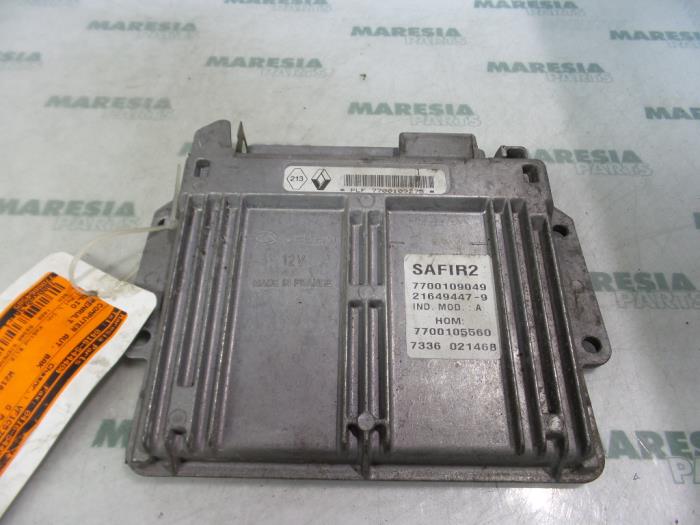
850840
Turbocharger actuator – 850840
€50.00

54309700000
Turbocharger actuator – 54309700000
€54.56

282352A600
Turbocharger actuator – 282352A600
€65.79
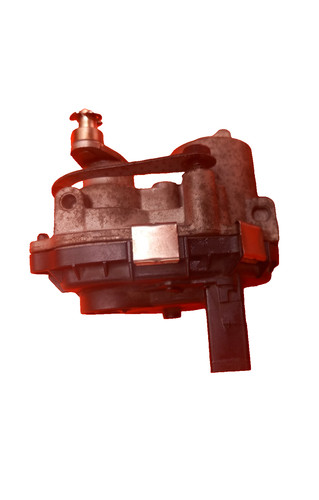
8355560001
Turbocharger actuator – 8355560001
€67.94

3940007000
Turbocharger actuator – 3940007000
€70.42

54399700107
Turbocharger actuator – 54399700107
€95.29

06K145613C
Turbocharger actuator – 06K145613C
€100.00

1720851010
Turbocharger actuator – 1720851010
€102.00

53049700054
Turbocharger actuator – 53049700054
€104.00

16359700025
Turbocharger actuator – 16359700025
€108.00
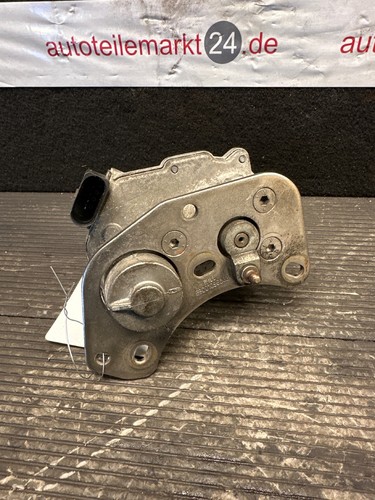
059145725A
Turbocharger actuator – 059145725A
€150.00
What does the Turbocharger Actuator actually do?
A turbocharger actuator controls boost pressure by working the wastegate or the variable-geometry vanes, keeping the turbo from over-speeding and damaging the engine. It acts as a safety valve, using either a vacuum/pneumatic or an electronic mechanism to adjust exhaust flow and keep performance on target.It's mounted right on the side of the turbo, linked by a short rod to the wastegate flap or the vane control ring. As the engine's demands change, the actuator opens or closes that mechanism to hold boost exactly where the ECU wants it. Because it sits bolted to a part that runs red-hot, heat, corrosion, and a seizing mechanism are what wear a turbo actuator out over time.
Symptoms of a faulty Turbocharger Actuator
A failing actuator throws the turbo's boost control out, which is both frustrating to drive and risky for the engine if left. An actuator that sticks can let the turbo over-boost and damage itself or the engine, so a boost fault is worth sorting quickly rather than driving through. The usual signs:
- Going into limp mode: The ECU caps power when it spots boost outside the safe range.
- A lit check engine light: Often logging an over- or under-boost or actuator fault code.
- Lost power and sluggish pull: A stuck-open wastegate bleeds off the boost the engine needs.
- A whistling or fluttering noise: Boost escaping past a mechanism that isn't sealing.
- Hesitation or surging under load: Boost rising and falling as the actuator struggles.
- A rattle from the turbo: A worn linkage or loose rod knocking against the housing.
How to choose the right Turbocharger Actuator for your car?
An actuator has to match the exact turbo it bolts to, since the rod travel and the control type are calibrated to that unit. The turbocharger model matters most, and you'll need to know whether yours is a vacuum actuator or an electronic one, and whether the turbo uses a simple wastegate or variable geometry (VNT/VGT).Confirm the OEM number first, then the connector, the mounting bracket, and the rod travel, and bear in mind that many electronic actuators need coding to the car after fitting.Search your turbo's make and model on Parthunt24 and the listings narrow to actuators that suit it. Click through to any listing and it takes you to the marketplace that holds it, where the seller handles the description and the purchase.
- Vehicle compatibility: Match the make, model, year, engine code, and OEM part number.
- Turbocharger model: The actuator must match the exact turbo unit version.
- OEM part number: The most reliable way to ensure correct fitment.
- Electronic vs. vacuum actuator: Must match the vehicle’s turbo-control system.
- Wastegate vs. VNT/VGT system: Different turbo systems require different actuator types.
- Connector type: The electrical plug must match the ECU wiring harness.
- Voltage specification: Must match the vehicle’s electrical-system requirements.
- Mounting bracket design: The mounting points must align with the turbo housing.
- Calibration requirements: Some actuators require coding or adaptation after installation.
- Rod length and travel range: Must match the turbo geometry and boost-control range.
- Condition: Check for corrosion, seized mechanisms, and damaged electronics.
What to check before buying a Turbo Actuator online
On the seller's page, an actuator's condition is partly hidden, since a seized mechanism or tired electronics don't always show from the outside. What counts most is whether the rod moves freely through its full travel, as a sticking actuator can look perfect yet fail to control boost, so look for testing notes alongside the photos.
- Photos: The actuator body, the rod and linkage, the connector, and the mounting bracket.
- Seller reputation: A dependable track record and good buyer feedback.
- Compatibility: OEM number and turbo model lined up against your engine.
- Included components: Actuator alone, or with bracket, rod clip, and fittings?
- Condition: Corrosion, a seized or stiff rod, a cracked diaphragm, damaged electronics.
- Testing: Confirmation that the rod traveled freely and held calibration on the donor.
- Warranty and returns: A returns option if the actuator won't hold boost.
- Shipping: The connector and rod are protected, so nothing arrives bent or contaminated.
- Documentation: The donor vehicle's details and proof of a tidy removal.
How much does a Turbocharger Actuator typically cost?
How much a turbocharger actuator costs depends on the turbo, the brand, and whether it's a vacuum or electronic type. A used vacuum actuator for a common car sits around €25-€70, an electronic actuator at €80-€200, and electronic units for premium or recent turbos beyond €300.On Parthunt24, turbo actuator prices land from 23.29.What makes one turbo actuator dearer than the next:
- Control type: Electronic actuators cost more than simple vacuum ones.
- Brand: OEM-made actuators sit above unbranded aftermarket units.
- Turbo system: VNT/VGT actuators tend to cost more than plain wastegate types.
- Engine rarity: Actuators for common engines stay cheap; rare turbos climb.
- Condition: A free-moving, calibration-holding actuator takes the higher price.
Faulty Turbocharger Actuator? Time to inspect these related components
A boost fault doesn't always begin at the actuator, since the whole turbo system shares the same heat, oil, and pressure. Whatever stressed the actuator has usually been working the rest of the turbo plumbing too, so go over these before fitting a replacement. Browse these on Parthunt24:
- Turbocharger: The actuator is wasted on a worn turbo, so check the unit it controls.
- Intercooler: A leaking intercooler drops boost and mimics an actuator fault.
- EGR valve: A sticking EGR upsets airflow and throws boost-related codes.
- Wiring harness: Chafed wiring to an electronic actuator causes the same faults as a dead one.
- Engine: Worth assessing overall health when a boost fault has been left to run.
- Boost hoses: Split or loose hoses leak the pressure the actuator is blamed for losing.
- Engine oil and filter: Fresh oil protects the turbo bearing while you're working on it.
Find the best Turbo Actuator deals on Parthunt24
A turbo actuator is a precise part to match, and the wrong control type or turbo version means a return and a wait, so it's worth getting right first time. Parthunt24 sets the major used-parts marketplaces out on one page, with every turbocharger actuator's type, condition, and price in one place, for diesel and petrol turbos across European cars. Lay every seller out at once and the cheapest actuator that fits is quick to find. Compare prices, find the best deal, and buy a turbo actuator for your car today on Parthunt24.