
Filters
Turbine

454232
Turbine – 454232
€5.00
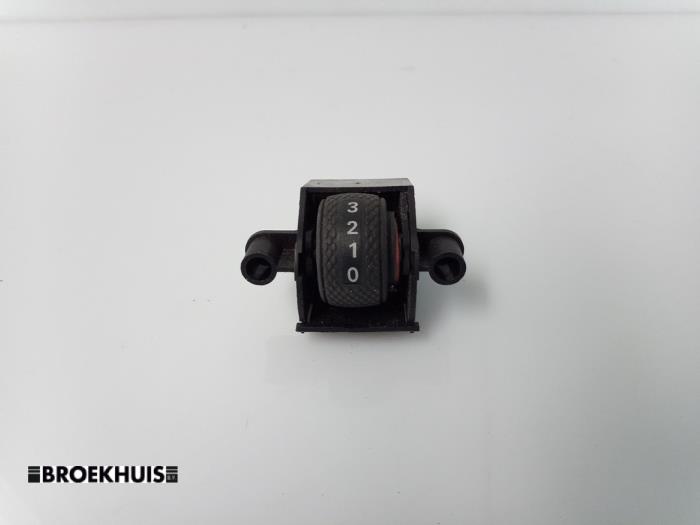
717478
Turbine – 717478
€5.00

729325
Turbine – 729325
€5.00

145750
Turbine – 145750
€5.18

2823127000
Turbine – 2823127000
€5.88
1669557
Turbine – 1669557
€6.00
454083
Turbine – 454083
€6.00
454231
Turbine – 454231
€6.00
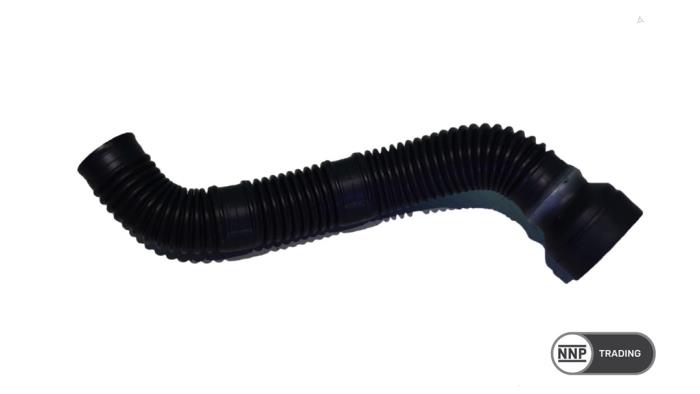
819976
Turbine – 819976
€6.05
184671
Turbine – 184671
€6.05

879542
Turbine – 879542
€6.53

724779
Turbine – 724779
€6.53

898102
Turbine – 898102
€6.53

1720127040
Turbine – 1720127040
€6.71

713673
Turbine – 713673
€7.00

724930
Turbine – 724930
€7.00

454192
Turbine – 454192
€7.26
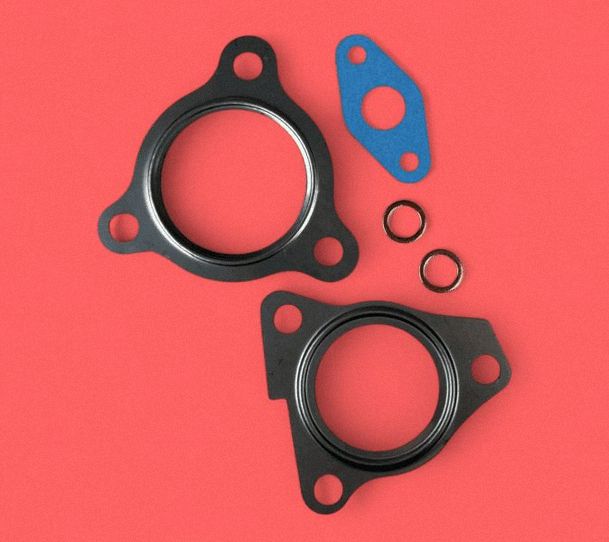
7406110002
Turbine – 7406110002
€7.30

A6460901080
Turbine – A6460901080
€7.50

731877
Turbine – 731877
€7.50
When should a Turbocharger be replaced?
Loss of engine power, slow acceleration, blue or grey smoke from the exhaust, or a whining noise that builds with revs all point to a failing turbo. The turbo sits between the exhaust manifold and the intake, using exhaust gas to spin a turbine that compresses incoming air, letting the engine burn more fuel per cycle. A failing turbo can dump oil into the intake, foul the catalytic converter, and in worst cases self-destruct, sending shrapnel through the engine, so warning signs aren't worth ignoring. Sourcing a sound replacement online is a chore in itself, since turbo codes, flange patterns, and actuator types all have to line up exactly.Parthunt24 sources used turbocharger listings from marketplaces like eBay, Ovoko, RicambiPro, Opisto, Proxyparts, Ecooparts, Autoparts-24, Totalparts. Compare 2500 options on price, condition, and fitment, then head to the marketplace once you've found the right turbo.
How to choose the right Turbocharger for your car?
A turbocharger is a device that increases a turbo engine's power by compressing the intake air, allowing more air and fuel to enter the engine. This results in improved performance and efficiency compared to non-turbocharged engines. Fitment begins with the OEM turbo code, after which the flange pattern, actuator type, and oil/coolant line connections all need cross-checking. A turbo built for a different boost range will either underperform or push the engine past safe limits, so engine pairing isn't something to wing. Put your OEM code or car details into the Parthunt24 search, and the filter panel down the side (Category, Manufacturer, Series, Model, Modification, Price) sharpens the results to fitting turbos. Selecting any result opens it on the marketplace handling the sale, where the seller covers the description and the order.
- Vehicle & engine compatibility: Match make, model, year, engine code, and OEM turbo part number.
- Turbo model/code: Verify manufacturer model (e.g. Garrett, BorgWarner) and exact code.
- Engine type: Petrol vs diesel (different boost and design characteristics).
- Mounting flange: Check exhaust manifold and intake flange compatibility.
- Wastegate type: Internal vs external wastegate configuration.
- Actuator type: Vacuum, pressure, or electronic actuator compatibility.
- Boost pressure range: Must match engine requirements and ECU calibration.
- Oil line connections: Verify inlet/outlet fittings for lubrication system.
- Coolant line compatibility: Check if turbo is oil-cooled or oil + water-cooled.
- Compressor & turbine size: Ensure correct sizing for engine displacement.
- Sensor compatibility: Check for boost pressure or position sensors if applicable.
- ECU compatibility: Must match engine control unit tuning and mapping.
- Condition: Inspect for shaft play, oil leaks, cracks, and proper balancing.
What to check before buying a Turbocharger
Pick the listing apart properly before parting with any money. Worn turbo shafts and damaged compressor blades often hide behind clean exterior shots, so testing notes and close-ups of the internals carry more weight than the headline photo.
- Photos: Detailed shots of the compressor wheel, turbine wheel, shaft, and housing.
- Seller reputation: Buyer feedback, sales history, and review quality.
- Compatibility: OEM number and turbo code checked against your engine.
- Included components: Bare core, with actuator, gaskets, and oil lines?
- Condition: Shaft play, oil weep, cracked housing, chipped blades.
- Testing: Bench-tested for boost, balance, and shaft movement.
- Warranty and returns: A clear path if the turbo arrives faulty or off-spec.
- Shipping: Padded packaging to protect the compressor and turbine wheels.
How much does a Turbocharger cost?
Turbocharger price varies a lot with the vehicle, the turbo type, and the donor's condition. A used turbo from a common diesel hatchback opens at €100-€250, mid-range bench-tested units sit at €300-€600, and OEM turbos for performance or premium engines can push past €1,200.
On Parthunt24, a turbo for sale starts from as low as 5.00.
Factors that move the turbocharger price up or down:
- Condition: As-removed sits below bench-tested, which sits below reconditioned.
- Brand: OEM, Garrett, and BorgWarner sit at the top; aftermarket units sit below.
- Engine rarity: Common diesels are cheaper; specialist or performance applications cost more.
- Inclusions: Actuator, gaskets, and oil lines bundled bump the turbocharger price.
Replacing your Turbocharger? Inspect these parts too
A failing turbo seldom takes itself out cleanly. Debris from a self-destructing turbo can travel through the intake or exhaust and damage components downstream, so check the surrounding system before fitting a replacement. Browse these on Parthunt24 alongside the turbo:
- Engine: Worth a compression check if the turbo has dumped oil or shrapnel.
- Exhaust manifold: Cracks here often cause turbo failure or undermine a fresh unit.
- Wastegate: A stuck wastegate sends boost pressure outside safe limits.
- Actuator: Worn actuators cause inconsistent boost on a healthy turbo.
- Intercooler: Oil-contaminated intercoolers should be cleaned or replaced after turbo failure.
- Air filter: A clogged filter starves the turbo and shortens its life.
- Bypass valve: Faulty valves cause boost leaks blamed on the turbo.
- Oil feed lines: Blocked lines starve the turbo of lubrication and kill it quickly.
Turbochargers at unbeatable prices on Parthunt24
Finding a used turbocharger online takes time when flange patterns, actuator types, and OEM codes all have to match. Parthunt24 gathers every compatible turbo onto one filterable page, with condition, price, and donor mileage laid out together. Diesel turbos, petrol units, and reconditioned options for most cars on European roads all appear in the same results. One platform, the full picture, and the best price within easy reach. Compare prices, find the best deal, and buy a turbocharger for your car through Parthunt24 today.