
Filters
Oil pressure sensor

9631846480
Oil pressure sensor – 9631846480
€5.00

1710509
Oil pressure sensor – 1710509
€5.00

963299
Oil pressure sensor – 963299
€5.00

04L919081
Oil pressure sensor – 04L919081
€5.00

1J0973081
Oil pressure sensor – 1J0973081
€5.00

038919081H
Oil pressure sensor – 038919081H
€5.00

06L919081
Oil pressure sensor – 06L919081
€5.00

31405635
Oil pressure sensor – 31405635
€5.00

036919081C
Oil pressure sensor – 036919081C
€5.00
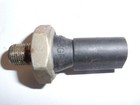
06A919081A
Oil pressure sensor – 06A919081A
€5.00

06A919081F
Oil pressure sensor – 06A919081F
€5.00

1J0919081
Oil pressure sensor – 1J0919081
€5.00

17105092
Oil pressure sensor – 17105092
€5.00

8944851010
Oil pressure sensor – 8944851010
€5.00

06A919081E
Oil pressure sensor – 06A919081E
€5.00

068919081A
Oil pressure sensor – 068919081A
€5.00

A6511800115
Oil pressure sensor – A6511800115
€5.00

038919081P
Oil pressure sensor – 038919081P
€5.20

F8AF9278
Oil pressure sensor – F8AF9278
€5.22

8614494
Oil pressure sensor – 8614494
€5.22
When should you replace the Oil Pressure Sensor?
An oil pressure sensor monitors the engine's oil pressure and reports it to the engine control module and the dashboard gauge. It helps keep the engine running within a safe oil pressure range, heading off potential damage before it happens. It's usually screwed into the engine block or cylinder head, near the oil filter or an oil gallery, where it can read the pressure in the system.Some engines use a simple oil pressure switch that only triggers a warning light, others a variable sensor that drives a gauge. Because it sits in hot, pressurised oil, its threads, seals, and electronics wear over time. The danger is that a faulty sensor and genuinely low oil pressure look identical on the dash.Never simply ignore an oil pressure warning light, since if the pressure really is low, the engine can be destroyed within minutes, so the cause must be confirmed before driving on. Signs the sensor itself is at fault include:
- A warning light that flickers or stays on: Often, with the oil level and pressure both confirmed fine.
- An erratic or stuck gauge: Reading zero, pinned to maximum, or jumping around.
- The light glows at idle: Coming on hot at idle, then clearing as revs rise.
- Oil weeping from the sensor: A cracked housing or failed seal is leaking at the threads.
- A stored oil-pressure fault code: The ECU is flagging an implausible reading.
- The light on with healthy oil: Warning triggered despite a good level and a recent change.
How to choose the right Oil Pressure Sensor for your car?
An oil pressure sensor has to match the exact engine, since the thread and the pressure range are both critical. The thread size and pitch must match the block's mounting point, and the sensor has to be calibrated for your engine's pressure spec, or the reading will be wrong.Confirm the OEM number first, then the connector and pin count, and decide whether you need a plain warning switch or a variable-pressure sensor that feeds a gauge.Run your make and model through Parthunt24 and the listings narrow to sensors that suit your engine. Click any result and it opens on the marketplace selling it, where the seller covers the full description and the sale.
- Vehicle compatibility: Match the make, model, year, engine code, and OEM part number.
- OEM part number: The most reliable way to ensure correct fitment.
- Engine code: Different engine variants may use different sensors.
- Thread size and pitch: Must match the engine-block mounting point.
- Connector type: The electrical connector must match the vehicle’s wiring harness.
- Operating pressure range: The sensor must be calibrated for the engine’s oil-pressure specifications.
- Number of pins: Verify compatibility with the vehicle’s monitoring system.
- Warning switch vs. pressure sensor: Some vehicles use a simple switch, while others use a variable-pressure sensor.
- Mounting location: Verify the correct installation position on the engine.
- Dashboard gauge compatibility: Some sensors support pressure gauges, while others work only with warning lights.
- Condition: Check for damaged threads, oil contamination, and cracked housings.
What to check before buying an Oil Pressure Sensor?
Once the listing loads, the threads and connectors are where the answers lie, since that's where these sensors leak and corrode. Damaged threads or an oil-stained connector mean trouble at fitting time, so make sure both are pictured clearly rather than left to a single distant shot.
- Photos: The sensor body, the threads, the sealing face, and the connector pins.
- Seller reputation: A solid history of sales with positive buyer ratings.
- Compatibility: OEM number and engine code set against your own.
- Included components: Sensor on its own, or with a sealing washer or connector?
- Condition: Damaged threads, oil staining, corroded pins, a cracked housing.
- Testing: Word that the sensor read correctly on the donor engine.
- Warranty and returns: A defined returns route if the sensor proves dud.
- Shipping: The threads and connector protected so nothing arrives damaged.
- Documentation: The donor engine's details and proof it came out cleanly.
How much do Oil Pressure Sensors usually cost?
An oil pressure sensor's cost hangs on the engine, the brand, and whether it's a simple switch or a variable sensor. A used switch for a common car sits around €5-€20, an OEM variable sensor at €20-€60, and sensors for premium or recent engines beyond €90.Oil pressure sensor prices on Parthunt24 kick off at 5.00. What lifts one oil pressure sensor above another on price:
- Switch vs sensor: A plain warning switch costs less than a variable-pressure sensor.
- Brand: OEM-made sensors sit above unbranded aftermarket units.
- Engine rarity: Sensors for common engines stay cheap; rare engines climb.
- Age of design: Sensors for current engines fetch more than discontinued ones.
- Condition: A clean sensor with undamaged threads takes the higher price.
Faulty Oil Pressure Sensor? Give your engine oil system a thorough look
A pressure warning isn't always the sensor's fault, since the whole oil system has to keep the pressure up in the first place. If the pressure really has dropped, the parts that pump and circulate the oil are where the trouble starts, so look at these before pinning it on the sensor. Browse these on Parthunt24:
- Oil pump: A worn pump genuinely lowers pressure, so rule it out before fitting a sensor.
- Oil level sensor: Works alongside the pressure sensor to monitor the oil.
- Oil control valve: A sticking valve upsets pressure on engines with variable timing.
- Oil breather separator: A blocked separator raises crankcase pressure and oil consumption.
- Oil cooling pipe: A leaking cooler line drops pressure and loses oil.
- Oil fill pipe: Worth checking for leaks while you're in the oil system.
- Engine: Worth assessing overall health if the low pressure proves genuine.
Affordable Oil Pressure Sensors all in one place on Parthunt24
An oil pressure sensor is cheap, yet prices for the same part swing widely from seller to seller, so it pays to compare before you buy. Parthunt24 gathers the major used-parts marketplaces onto a single page, listing the type, condition, and price for every oil pressure sensor in the results, including Bosch units and other OEM-grade parts across European cars.Check the sellers side by side and the cheapest sensor that fits stands out fast. Compare prices, find the best deal, and buy an oil pressure sensor for your car today on Parthunt24.