
Filters
Oil pump

8200368176
Oil pump – 8200368176
€5.00

9686038880
Oil pump – 9686038880
€5.00

1278314
Oil pump – 1278314
€5.00

059103337B
Oil pump – 059103337B
€5.00

7787517
Oil pump – 7787517
€5.00

059115105AD
Oil pump – 059115105AD
€5.10

9636898580
Oil pump – 9636898580
€5.33

06A115105
Oil pump – 06A115105
€5.58

038115105B
Oil pump – 038115105B
€5.58

038115105D
Oil pump – 038115105D
€5.58

06A115105B
Oil pump – 06A115105B
€5.88

1709248
Oil pump – 1709248
€6.00

9644350880
Oil pump – 9644350880
€6.07

8200307174
Oil pump – 8200307174
€6.09
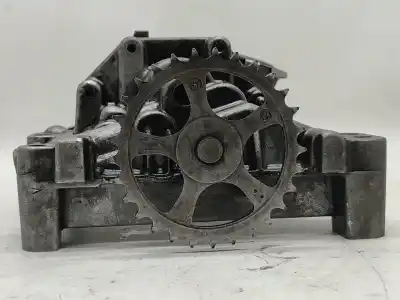
9431292021
Oil pump – 9431292021
€6.09

9632075280
Oil pump – 9632075280
€6.09

9431291021
Oil pump – 9431291021
€6.09

7700600532
Oil pump – 7700600532
€6.09

7941103100
Oil pump – 7941103100
€6.09

1S7Q6600
Oil pump – 1S7Q6600
€6.30
Find the right Oil Pump with Parthunt24
Oil pump trouble usually announces itself loudly. Pressure warnings on the dash and a ticking noise from the engine top end are the classic giveaways, often joined by oil temperatures running hotter than they should. Finding a like-for-like replacement is the harder bit. Pump types vary by engine, specs have to match exactly, and listings are spread thin across scrapyards and parts marketplaces. Parthunt24 gathers used oil pump listings together from marketplaces like Ovoko, eBay, Opisto, RicambiPro, ProxyParts, Ecooparts, Autoparts24 and TotalParts. Compare 496 listings on price, condition, and fitment, then jump straight to the seller's page when you've found the right one.
How to choose the right Oil Pump for your car
A car oil pump has to deliver the exact pressure and flow your engine was designed for. Too low and bearings starve, too high and seals blow. Picking the right automotive oil pump means matching pump type, drive method, and pressure spec, not just make and model. On Parthunt24, search by OEM code, filter by engine code, or refine using Category, Manufacturer, Series, Model, Modification, and Price. Click any listing for the full details on the original marketplace and to complete the purchase there. Before you buy, check these details on the seller’s page:
- Vehicle & engine compatibility: Match make, model, year, engine code, and OEM part number.
- Pump type: Gear, rotor (gerotor), or vane — must match the engine.
- Pressure specifications: Meet OEM oil pressure requirements; too high or low causes damage.
- Flow rate: Correct oil flow capacity for the engine size and design.
- Drive mechanism: Crankshaft, timing chain, or camshaft-driven.
- Mounting & housing: Bolt pattern, mounting points, and housing shape match the engine.
- Pickup tube compatibility: Confirm fit with the oil pickup and sump design.
- Relief valve: Check pressure relief valve specs and calibration.
- Material & build quality: OEM or high-quality aftermarket materials for durability.
- Condition (if used/rebuilt): Inspect for wear, scoring, and proper reconditioning.
What to check before buying an Oil Pump
Once you're redirected to the original listing, take a few minutes to size it up. Oil pumps run on tight tolerances, and a unit with internal scoring or contaminated machining will fail just as fast as a worn one. The listing should make it easy to confirm what condition you're actually getting:
- Photos: Multiple angles of the pump body, gears or rotors, and pickup mounting.
- Seller reputation: Ratings, reviews, and trading history.
- Compatibility info: Part numbers, applications, or cross-references.
- Included components: Pump only, or with pickup tube, gasket, or bolts?
- Condition: Used, tested, or rebuilt? Look for scoring or worn gears.
- Testing: Pressure-tested or sold as-seen? Tested pumps carry less risk.
- Warranty and returns: A clear policy if it doesn't fit.
- Shipping: Pumps should be packed securely to protect machined surfaces.
- Documentation: Part numbers, test results, or proof of origin.
How much does an Oil Pump cost?
Oil pump price varies with the vehicle, brand, and condition. As a rough guide: a used pump runs €30-€150, a reconditioned one €60-€250, and rare or performance pumps can climb past €400. On Parthunt24, find an oil pump from 5.00. A few things that move the price up or down:
- Used vs reconditioned: Used pulls cost less. Reconditioned pumps come tested and often warrantied.
- Brand: OEM tops the range; quality aftermarket sits below.
- Pump type: Gerotor and high-pressure pumps for modern engines cost more than basic gear pumps.
- Vehicle rarity: Common engines cheaper; specialist applications cost more.
- Condition: Pressure-tested pumps with no scoring command a premium.
Replacing the oil pump? Inspect these other parts too
An oil pump doesn't tend to fail in isolation. Damage from a failing pump spreads through the engine within minutes, so getting a proper diagnosis before swapping anything matters. Check these parts too:
- Oil pan: Check for sludge, debris, or damage when the pump comes out.
- Oil filter: A blocked filter starves the pump. Replace at the same time.
- Oil pressure sensor: A faulty sensor can trigger warnings even when pressure is fine.
- Piston rings: Worn rings raise oil consumption and can mimic pump issues.
- Camshaft: Worn cam bearings drop oil pressure and look like pump failure.
- Timing belt: On chain or belt-driven pumps, a worn timing system shifts pump timing.
- Engine bearings: Knocking from worn bearings often follows oil pump weakness.
Save time and money searching for a used Oil Pump with Parthunt24
An oil pump that arrives wrong, or worn, costs more than the part itself. Parthunt24 cuts out the back-and-forth between sites by pulling every compatible oil pump into one comparable view, sortable by price, fitment, or condition. The right pump for your engine sits alongside its closest competitors, and the cheapest seller is one click away. Compare prices side by side, find the best deal, and pick up an oil pump for your car today on Parthunt24.