
Filters
Oil level sensor

1J0907660B
Oil level sensor – 1J0907660B
€5.00

03C907660G
Oil level sensor – 03C907660G
€5.00

1J0907660C
Oil level sensor – 1J0907660C
€5.00

6PR00807903
Oil level sensor – 6PR00807903
€5.00

7508003
Oil level sensor – 7508003
€5.00

96321685
Oil level sensor – 96321685
€5.00

6PR00807902
Oil level sensor – 6PR00807902
€5.00

96453990
Oil level sensor – 96453990
€5.00

96546136
Oil level sensor – 96546136
€5.00

1433596
Oil level sensor – 1433596
€5.00

6PR00786802
Oil level sensor – 6PR00786802
€5.00

96321687
Oil level sensor – 96321687
€5.00

045907660D
Oil level sensor – 045907660D
€5.00

06E907660
Oil level sensor – 06E907660
€5.00

6PR008079
Oil level sensor – 6PR008079
€5.00

A6511530132
Oil level sensor – A6511530132
€5.00
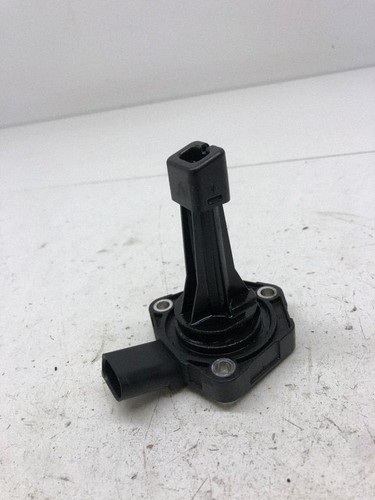
03C907660H
Oil level sensor – 03C907660H
€5.20

96499344
Oil level sensor – 96499344
€5.26

04L907660C
Oil level sensor – 04L907660C
€5.50

A0011530332
Oil level sensor – A0011530332
€5.60
When should the Oil Level Sensor be replaced?
An oil level sensor is a device that measures how much oil sits in a container, in a car the engine sump, using a float, a heated element, ultrasound, or a change in capacitance. Some report the level continuously, while others simply trip a warning once it drops too far.In a car it screws or bolts into the side of the sump, low down where the oil settles, and wires back to the instrument cluster. A car oil level sensor works on the same idea as the oil tank level sensor on a heating tank, only smaller, hotter, and living in oil the crankshaft is throwing about. Sellers list it as an engine oil sensor about as often as by its full name.Nothing on it wears out mechanically. Sludge coats the element or sticks the float, the connector loosens or corrodes, and somewhere past 130,000 km the electronics inside give up. Replace it when you see:
- A warning light with the oil level correct: the dipstick reads full and the dashboard disagrees.
- A light that comes and goes: more often the connector than the sensor itself.
- No level reading at all: the cluster shows dashes, or refuses to run the check.
- A reading that never moves: a sensor stuck at full is the one that costs you an engine.
- A stored fault code: and on some models a limp mode that caps your speed.
- Oil weeping from the sensor: the seal has hardened and the sump is leaking around it.
How to choose the right Oil Level Sensor for your car?
A sensor can fit the hole perfectly and still send a reading the car cannot use.Measuring technology is where it goes wrong: a thermal oil level sensor and an ultrasonic oil level sensor report in different ways, so an electronic oil level sensor that reads level, temperature and oil condition will not stand in for a plain float switch, however neatly it bolts up.Work from the OEM number and the engine code rather than the shape. Study the plug, because the housing, the latch and the pin count all have to match, and a two-pin sensor tells the ECU something a four-pin one does not. Study the sump as well: the mounting hole and the sealing face belong to that pan, and a better-equipped car often carries the version with the extra functions built in.Set the car in the filter list running down the left, and only sensors built for your engine remain. Click through and Parthunt24 opens the marketplace that carries it, eBay or Opisto most often, where the full description and the payment sit.
- Vehicle make, model, and year: A facelift can introduce a new sensor even when the engine remains unchanged.
- OEM part number: The most reliable way to distinguish between identical-looking sensors.
- Engine type and engine code: Different engines in the same model may measure oil in different ways.
- Fuel type: Petrol, diesel, and hybrid vehicles may each monitor their oil differently.
- Sensor location: Most sensors are fitted in the sump wall, but the location varies between vehicles.
- Connector type: The plug, housing, and locking mechanism must match the wiring loom.
- Number of pins / electrical specifications: Two-pin and four-pin sensors send different information to the ECU.
- Measurement technology: A level-only sensor is different from one that also measures temperature and oil quality.
- Oil pan compatibility: The mounting hole and sealing surface must match the sump.
- Vehicle equipment level: Higher-specification vehicles often use sensors with additional functions.
What to check before ordering an Oil Level Sensor
On the marketplace page, remember this is an electrical part that has spent its life sitting in hot oil.None of it is repairable, so what you are actually buying is the pins in the plug and a clean element, and one sharp photograph of the connector face counts for more than a low price.Check the listing for these:
- Photos: the connector face, the pins, the body, and the groove the seal sits in.
- Seller reputation: a breaker whose last hundred sales went through without complaint.
- Compatibility: the engine code and the part number, both checked against yours.
- Included components: the sensor on its own, or with its seal and bolts?
- Condition: green or bent pins, a cracked body, a hardened seal, thick sludge on the element.
- Testing: word that it was read on a scan tool before it came off the car.
- Warranty and returns: worth insisting on, since you cannot test one until it is fitted.
- Shipping: small and light, so postage should not be the biggest number on the page.
- Documentation: the donor car, its mileage, and whether it was running when broken.
How much does an Oil Level Sensor cost?
The oil level sensor price follows what the sensor does, not how big it is.A used float or thermal sensor off a common engine runs about €5-€25, an OEM unit that also reads temperature €25-€60, and the combined level, temperature and oil-quality sensors from premium engines €60-€140.The lowest oil level sensor price on Parthunt24 right now is 5.00. What decides one oil level sensor price over another:
- What it measures: level only is cheapest, level with temperature and oil condition dearest.
- Brand: a factory-stamped sensor with a legible number beats an unbranded copy.
- Engine rarity: sensors for high-volume engines are everywhere, others are not.
- Connector condition: clean, unbent pins are worth paying for.
- Donor mileage: less oil through it means less sludge baked onto the element.
- Included seal: one that arrives with a new O-ring saves you a second order.
Don't forget to check these other oil system components
The sensor sits at the very bottom of the engine, and what it reads depends on everything above it. An oil level sensor replacement means the oil comes out anyway, so this is the moment to check these on Parthunt24, while the sump is empty:
- Oil pan strainer pipe: the pickup the pump draws through, and the first thing sludge blocks.
- Oil pump: sends the oil round the engine, and worth checking on any high-mileage strip.
- Oil pump balance shaft: driven off the same assembly on many engines, and a known noise source.
- Oil breather separator: pulls oil mist from the crankcase fumes, and floods the intake when it splits.
- Oil control valve: meters oil to the cam timing, and jams once the oil is dirty.
- Oil pan: the sump the sensor bolts into, whose thread and sealing face must be sound.
- Oil pressure sensor: the other oil sensor, and the one people confuse this with.
- Oil cooler: keeps oil temperature down, and mixes oil with coolant once its seals go.
Oil Level Sensors at unbeatable prices on Parthunt24
Changing this sensor usually means draining the sump, so the oil and the labour cost more than the part does. That makes getting the right one first time worth a few minutes: one search on Parthunt24 reaches every one of Europe's busiest used-parts marketplaces, and each sensor comes back with its number, its connector, and its price already showing.No part changes hands on Parthunt24. The advert and the payment both belong to the breaker who posted it, and Parthunt24 gets you to that seller faster than any search of your own would.Filter to your engine and its connector, and the results line up by oil level sensor price. Compare prices across the market, land on the cheapest that fits, and find an oil level sensor for your car today without opening a dozen tabs.