
Filters
Electric car charging cable

Electric car charging cable – 9845149
€6.53
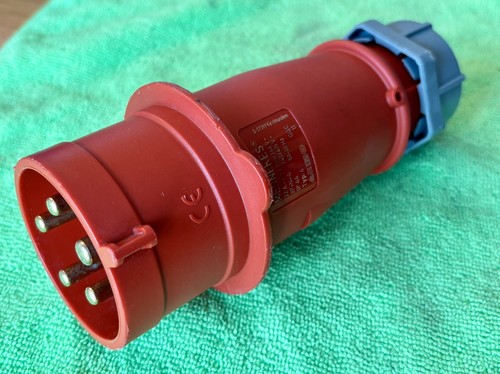
Electric car charging cable – D57399
€11.47

Electric car charging cable – 9396544
€20.00

Electric car charging cable – 1EA971639E
€23.53

Electric car charging cable – 1EA915651C
€23.53

Electric car charging cable – A0005455510
€29.50

Electric car charging cable – 12E971675AB
€30.00
Electric car charging cable – 12E971675
€30.00

Electric car charging cable – 7644241
€30.00

Electric car charging cable – H07BZ5F
€35.29

Electric car charging cable – 13965800
€38.12
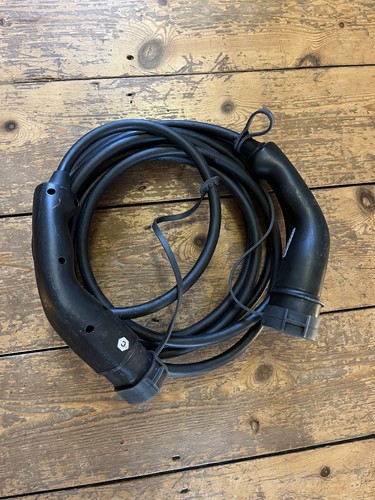
Electric car charging cable – 33329534
€38.97
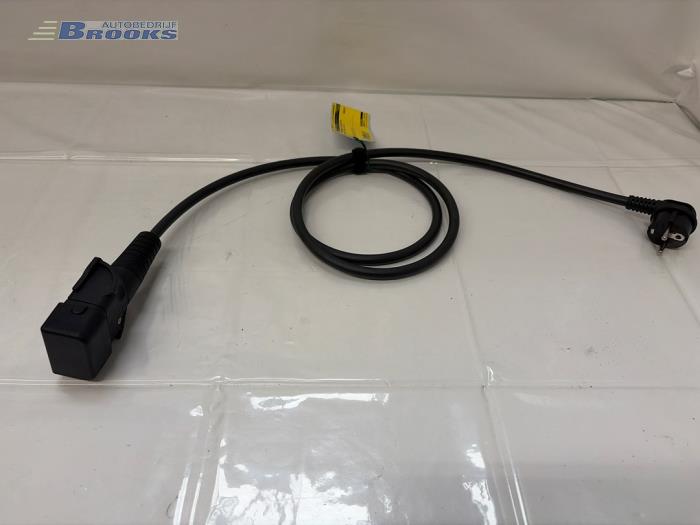
Electric car charging cable – 8V4971675AS
€40.00
Electric car charging cable – LC2ST323
€42.53

Electric car charging cable – 9J1915371C
€45.00

Electric car charging cable – 7PP971678FK
€47.00

Electric car charging cable – 1EA971639J
€47.06

Electric car charging cable – 12E971675BS
€51.70
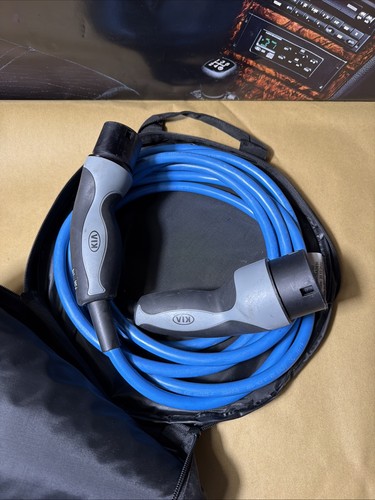
Electric car charging cable – 66631ADE013A
€53.17

Electric car charging cable – 9J1971106P
€56.82
Find a quality EV Charging Cable in just a few clicks
How to pick the right charging cable for your electric car?
- Vehicle charging connector: The cable must match your vehicle's charging port (e.g. Type 1 or Type 2).
- Charging station connector: Ensure the opposite end of the cable matches the charging station socket.
- Maximum charging power: The cable should support your vehicle's maximum AC charging rate (e.g. 3.7 kW, 7.4 kW, 11 kW, 22 kW).
- Single-phase or three-phase: The cable must match the charging system used by your vehicle and charging point.
- Cable length: Choose a length that comfortably reaches the charging point without excessive slack.
- Current rating: Verify the cable is rated for the required current (e.g. 16 A or 32 A).
- Weather protection: Check the cable and connectors for intact seals and insulation to ensure safe outdoor use.
- Connector condition: Inspect for bent pins, corrosion, cracks, or overheating marks.
- Carrying case (if included): Helps protect the cable during transport and storage.
- Compliance with safety standards: Ensures the cable meets applicable charging and electrical safety regulations.
What to pay attention to when choosing an EV Charging Cable online
- Photos: Both connectors photographed straight-on, the full length of the cable, and the rating label.
- Seller reputation: Past EV parts sales, with buyers confirming the equipment worked.
- Compatibility: Connector types and the kW rating matched to your car and charge point.
- Included components: Carry bag, end caps, or a Mode 2 control box where relevant.
- Condition: Unbroken seals, clean pins, flexible insulation, and no signs of overheating.
- Testing: A recent photo of the cable in use while charging is worth asking the seller for.
- Warranty and returns: Useful protection on any electrical equipment bought online.
- Shipping: Coiled loosely and boxed, since connectors are easily crushed in transit.
- Documentation: A legible rating label, and the standard markings on the plugs.
How much do EV Charging Cables typically cost?
- Power rating: Three-phase 22 kW cables cost more than single-phase leads.
- Length: Longer cables cost more and weigh more.
- Mode 2 electronics: The control box in a granny lead accounts for most of its price.
- Brand: Cables from car manufacturers and well-known brands hold their value best.
- Condition: Clean pins and intact seals justify a higher price.
- Extras: A case and end caps add a little to the price.
Make sure your EV's battery keeps running smoothly
- Electric car charge socket: The port on the car, whose pins wear from years of plugging in.
- Electric car charge socket cover: The flap that keeps rain out of those pins.
- EV battery: The main battery pack that this equipment charges.
- Battery control module: Manages charging, and its faults are often mistaken for cable problems.
- On-board charger: Converts AC from this cable into the DC power the battery needs.
- Inverter: The drive electronics, listed here for larger repairs.
- Battery: The ordinary 12-volt battery, which can still leave an EV stranded when it fails.
- Webasto auxiliary heater: Heats the cabin without using battery range on cold mornings.