
Filters
Battery control module

Battery control module – 8707828
€5.00

Battery control module – 6819838
€5.00

Battery control module – 4F0915181
€6.90

Battery control module – 31652295
€9.00

Battery control module – A2215458232
€10.00

Battery control module – 4E0915181C
€11.69
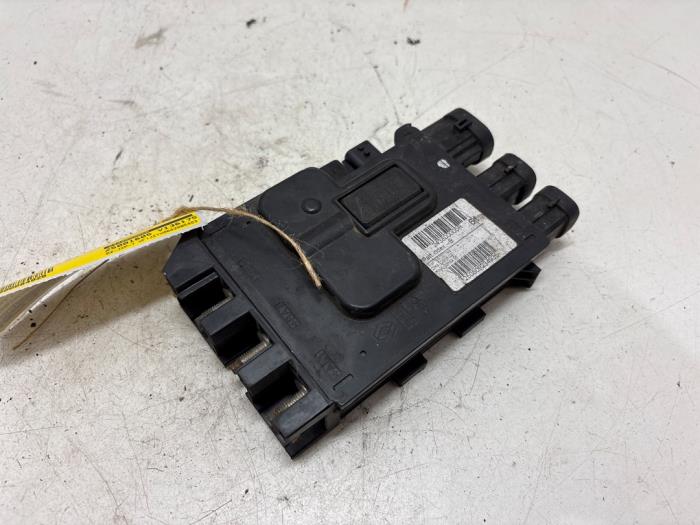
Battery control module – 243800005R
€15.00

Battery control module – 3D0915181D
€16.00

Battery control module – 97061807501
€17.00

Battery control module – 8989248010
€18.00

Battery control module – 375A1GI000
€18.00

Battery control module – 8677776040
€18.99

Battery control module – 7648785
€20.00

Battery control module – 31419765
€24.00

Battery control module – G92Z133010
€30.00

Battery control module – 69501539
€31.78

Battery control module – 3D0915181B
€36.00

Battery control module – 0Z1915184D
€50.00

Battery control module – 8989252011
€55.00

Battery control module – A2115402745
€55.00
What does the Battery Control Module do?
- Battery warning light that refuses to clear.
- Drained or weak battery, cranking slowly or flat by morning.
- Start-stop dropping out or firing at random.
- Stored charging faults on the energy-management circuit.
- Flickering electrics and readings that jump.
How to choose the right Battery Control Module for your car?
- Vehicle compatibility: Match make, model, year, engine code, and OEM part number.
- OEM part number: The most reliable way to ensure compatibility.
- Battery management system: The module must match the car’s battery monitoring system.
- Engine and trim level: Different variants may use different control modules.
- Start-stop system: Cars with start-stop often require a specific module.
- Battery type: Confirm support for AGM, EFB, or standard lead-acid batteries.
- Connector type: Plugs must match the vehicle wiring harness.
- Software version: Some modules need a compatible firmware version.
- Coding/programming: Many modules need coding or adaptation after fitting.
- CAN bus: Must communicate correctly with the vehicle network.
- Mounting location: Verify the housing and mounting points.
- Condition: Check for corrosion, water damage, or bent connectors.
What to check before ordering a Battery Control Module online
- Photos: the part-number label, the connectors, and the casing.
- Seller reputation: a trader with a solid record and recent, consistent feedback.
- Compatibility: the OEM number and battery type checked against your car.
- Included parts: the module alone, or with its bracket and plugs?
- Condition: no corrosion, water marks, or bent and melted pins.
- Testing: a note it came off a running car or was bench-tested.
- Warranty and returns: a clear policy if the part is wrong or damaged.
- Shipping: anti-static wrap and a rigid box.
- Documentation: the donor car's details and any coding notes.
How much does a Battery Control Module cost?
- Vehicle: common models stay cheap, while rare or electric cars carry a premium.
- System: start-stop and hybrid units cost more than a basic module.
- Brand: an OEM-made module sits above an unbranded one.
- Condition: a tested module with clean pins takes the higher price.
Replacing the Battery Control Module? Don't forget to inspect these components too
- Battery: a weak battery is the most common reason a healthy module looks faulty, so test it first.
- Battery charger: proves whether the battery actually holds charge.
- Power management control module: shares the load-balancing job and overlapping symptoms.
- Current control relay: a sticking relay mimics charging faults.
- Battery relay fuse: a blown fuse cuts the supply the module depends on.
- ECU: reads battery data too and logs related fault codes.