
Filters
Brake drum

55701380
Brake drum – 55701380
€9.90

7700419824
Brake drum – 7700419824
€10.00

1311823080
Brake drum – 1311823080
€12.00

424310D010
Brake drum – 424310D010
€12.00
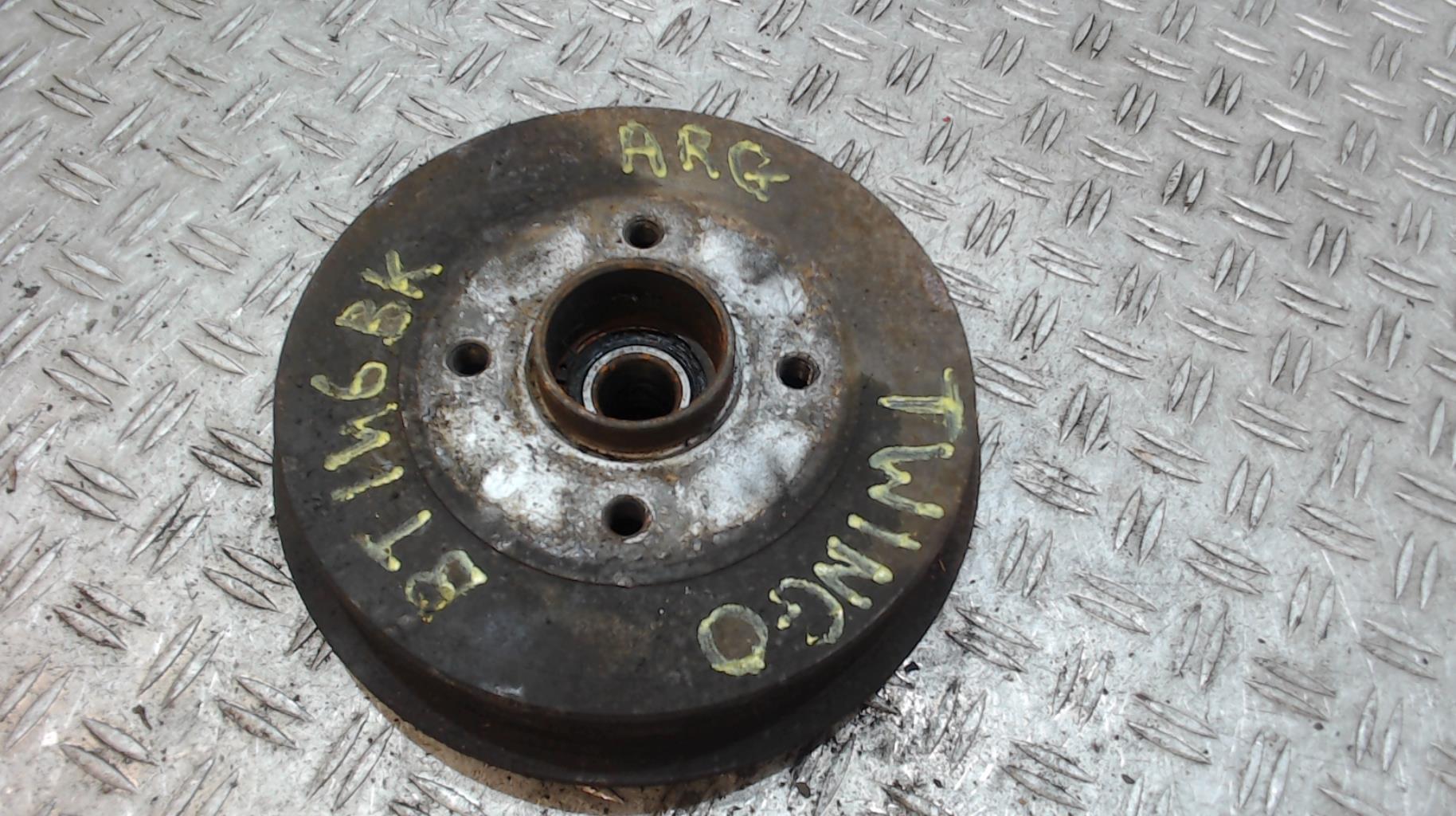
432026617R
Brake drum – 432026617R
€13.29

7750119
Brake drum – 7750119
€13.31
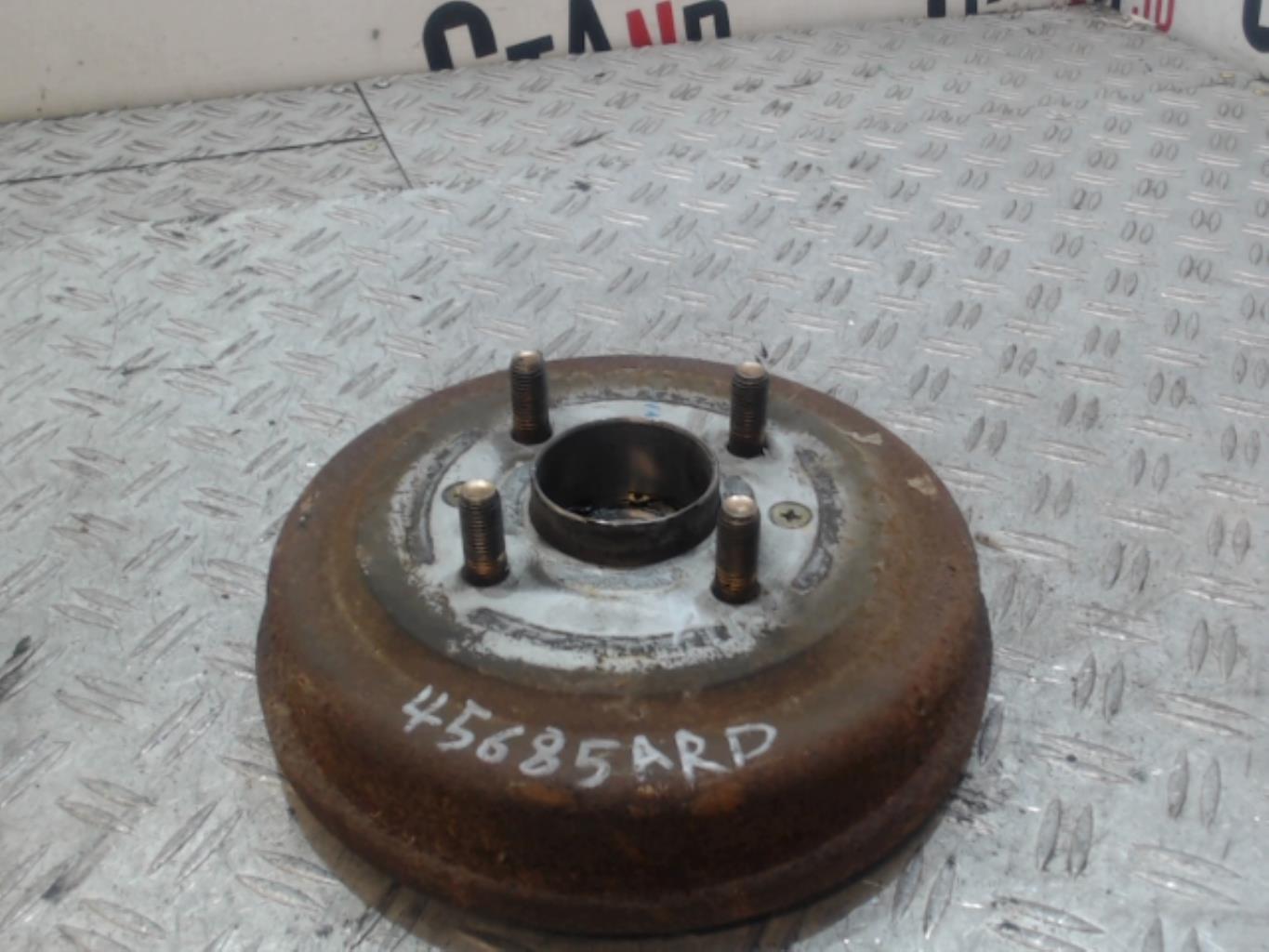
96470999
Brake drum – 96470999
€13.99

432007212R
Brake drum – 432007212R
€14.00

1S0609617
Brake drum – 1S0609617
€14.85
24401370
Brake drum – 24401370
€14.97

424744
Brake drum – 424744
€15.37
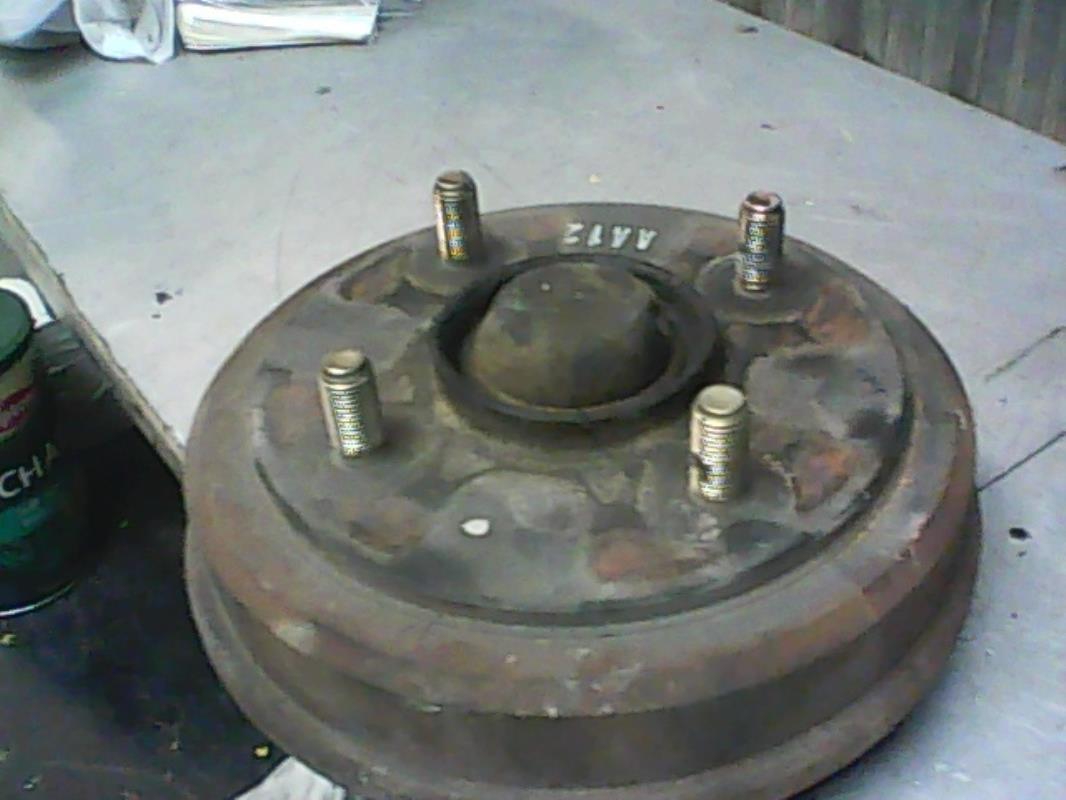
96316636
Brake drum – 96316636
€16.36

316271091R
Brake drum – 316271091R
€17.00
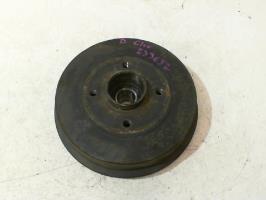
432029357R
Brake drum – 432029357R
€19.00

432037563R
Brake drum – 432037563R
€19.00

424759
Brake drum – 424759
€19.00

432024763R
Brake drum – 432024763R
€19.00

424745
Brake drum – 424745
€19.63

7700304984
Brake drum – 7700304984
€20.00

432021782R
Brake drum – 432021782R
€20.00
How do Brake Drums work?
Brake drums are part of a drum brake system that slows the car using friction from brake shoes pressing against the inside of a spinning drum. They're usually fitted to the rear wheels and are essential for effective braking.Inside each drum sits a pair of curved brake shoes; when you press the pedal, a wheel cylinder pushes those shoes outwards against the spinning inner surface of the drum, and the friction slows the wheel.The drum also usually houses the handbrake mechanism, which clamps the same shoes when you pull the lever. It's an older design than disc brakes but a cheap and durable one, which is why it's stayed on the rear of many small and mid-size cars.
When should Brake Drums be replaced?
Drums wear slowly from the inside as the shoes rub against them, growing wider until the surface is too thin or scored to brake properly. A worn drum makes the back brakes weak and uneven, which is unsettling under hard braking and a problem the MOT will catch.A drum worn past its maximum diameter can crack or let the brakes fade, so a scored or oversized drum should be replaced rather than run on.Signs it's time for new rear drum brakes:
- A scraping or grinding noise: Worn shoes cutting into the drum surface.
- Weak or spongy rear braking: A glazed or oversized drum gripping poorly.
- Vibration or pulsing through the pedal: An out-of-round or warped drum.
- The handbrake losing its hold: A worn drum surface giving the shoes nothing to grip.
- Deep scoring or grooves inside the drum: Visible when the drum comes off.
- Cracks or a lip worn at the drum edge: A sign the drum is past its service limit.
How to pick the right Brake Drums for your car?
Drums have to match your car's exact rear setup, since the size and fit are precise. The diameter and width have to be spot on, or the shoes won't sit right and braking suffers, and the bolt pattern must line up with your wheel hub.Match the OEM number first, then check the rear axle type, whether the drum has an integrated wheel bearing, and that any ABS tone ring matches what you're removing.Feed your make and model into Parthunt24 and the list drops to drums that fit your car. Each listing opens on the marketplace that holds it, where the seller's full description and the checkout sit together.
- Vehicle make, model, and year: Brake drum dimensions vary between generations and trim levels.
- OEM part number: The most reliable way to confirm correct fitment.
- Rear axle type: Brake drums are typically specific to the rear axle.
- Drum diameter: Must match the exact factory specification.
- Drum width: Incorrect width can affect braking performance.
- Wheel bearing integration: Some brake drums include integrated wheel bearings.
- Bolt pattern (PCD): Must match the wheel-hub configuration.
- ABS compatibility: Some brake drums include ABS tone rings.
- Brake shoe compatibility: Must match the drum’s internal surface design.
- Handbrake system type: Mechanical handbrake setups may vary between vehicle models.
What to check before ordering Brake Drums online
On the seller's page, the inner braking surface is what to judge, since that's the face that does the work and the face that wears. Deep scoring or a worn lip inside the drum means it's near the end of its life, so a clear photo of the inner surface counts for far more than the painted outside.
- Photos: The inner braking surface, the outer face, the hub mount, and any tone ring.
- Seller reputation: Their score, the depth of feedback, and time spent selling.
- Compatibility: OEM number, diameter, and bolt pattern matched to your car.
- Included components: Bare drum, or with shoes, bearing, or fittings?
- Condition: Scoring, grooves, a worn edge lip, cracks, or rust on the surface.
- Testing: Confirmation the drum is within its diameter limit and runs true.
- Warranty and returns: A clear policy if the drum arrives scored or oversized.
- Shipping: A heavy item that needs solid boxing so it isn't damaged in transit.
- Documentation: Which car it came off, with evidence of a careful removal.
How much do Brake Drums typically cost?
What you pay for brake drums turns on the car, the brand, and whether a bearing or tone ring is built in. A used drum for a common car runs around €15-€40, an OEM drum or one with an integrated bearing sits at €40-€90, and drums for vans or premium models can climb past €130.Brake drum prices on Parthunt24 open from 9.90.Here's what sets one brake drum price above another:
- Integrated parts: Drums with a bearing or ABS ring built in cost more than bare ones.
- Brand: Known braking brands sit above unbranded aftermarket drums.
- Pair vs single: A matched pair costs more but keeps rear braking even.
- Model rarity: Common cars stay cheap; vans and rare models cost more.
- Condition: A drum with plenty of surface left takes the higher price.
Replacing old drum brakes? Don't forget to inspect your braking system too
The drum is just the outer half of the rear brake, so a swap is the chance to look at the shoes and hardware it covers. The shoes, cylinder, and springs wear right alongside the drum, and the brakes need bleeding if the cylinder is disturbed, so check these while it's apart. Browse these on Parthunt24:
- Wheel cylinder: Pushes the shoes out and often leaks by the time the drum is worn.
- Brake shoes: Renew with the drum so fresh friction meets a fresh surface.
- Brake discs: Worth checking on the front axle while you're doing the brakes.
- Wheel bolts: Corroded bolts are cheap to replace during the job.
- Brake pads: Worth refreshing on the front while the rear is being done.
- Brake fluid reservoir: Check the level and condition while bleeding the system.
- Brake fluid: Bleed through fresh fluid if the wheel cylinder was opened up.
Find affordable Brake Drums on Parthunt24 today
Brake drums are a routine wear part, so it stings to overpay just because the right size sat on a site you didn't think to check. Parthunt24 brings the major used-parts marketplaces onto one page, with the diameter, condition, and price set against every set of brake drums in the results, across small cars, vans, and everything between on European roads. Compare every seller's drums in one place and the cheapest usable pair is easy to find. Compare prices, find the best deal, and buy brake drums for your car today on Parthunt24.