
Filters
Brake fluid reservoir

Brake fluid reservoir – 9680931580
€5.00
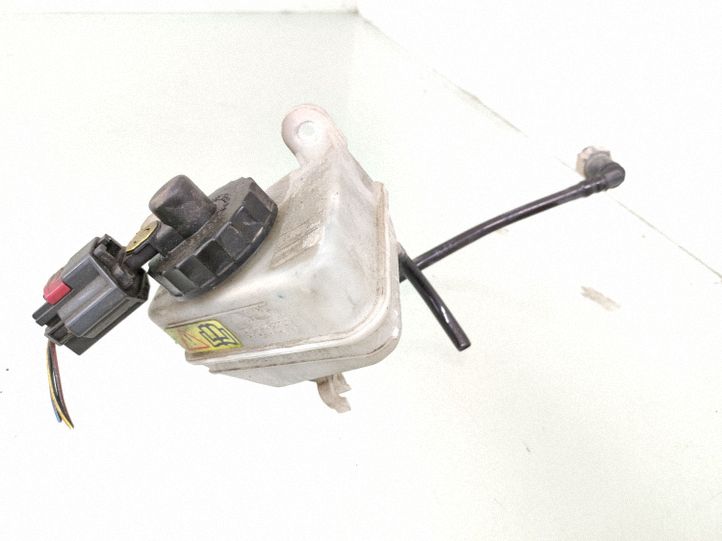
Brake fluid reservoir – 98AB2C217AC
€5.00

Brake fluid reservoir – 8200021398
€5.00

Brake fluid reservoir – 2T142C217AC
€5.00

Brake fluid reservoir – EV612K478BB
€5.00

Brake fluid reservoir – 9680907780
€5.00

Brake fluid reservoir – 9674882280
€5.00

Brake fluid reservoir – 32067009
€5.00

Brake fluid reservoir – 460910738R
€5.00

Brake fluid reservoir – 4D0611301F
€5.00

Brake fluid reservoir – 460913647R
€5.00

Brake fluid reservoir – C23643550
€5.00

Brake fluid reservoir – 460910004R
€5.00

Brake fluid reservoir – 9807651580
€5.00

Brake fluid reservoir – 13308775
€5.15

Brake fluid reservoir – 8V512K478AF
€5.27

Brake fluid reservoir – 13231140500
€5.85

Brake fluid reservoir – EV612K478AB
€5.99

Brake fluid reservoir – 96626038
€6.00

Brake fluid reservoir – DB37BA1024A
€6.00
Find the right Brake Fluid Reservoir with Parthunt24
How to choose the right Brake Fluid Reservoir for your car
- Vehicle compatibility: Match make, model, year, and engine variant exactly.
- Master cylinder compatibility: Reservoir fits the specific brake master cylinder, shape, seal type.
- Mounting type: Direct mount vs remote reservoir with hoses.
- Capacity / volume: Correct fluid capacity for the braking system.
- Sensor compatibility: Fluid level sensor presence, connector type, and pin configuration.
- Outlet ports: Correct number and position of fluid outlets.
- Cap type and seal: Cap design, sealing quality, and compatibility.
- Material: Typically plastic; check for heat resistance and durability.
- Hose compatibility, remote type: Hose diameter and connection points.
- Condition, if used: Inspect for cracks, discoloration, leaks, and damaged threads.
What to check before buying a Brake Fluid Reservoir
- Photos: Body, cap, outlet ports, and sensor connector.
- Seller reputation: Ratings, reviews, and trading history.
- Compatibility: Part numbers or cross-references.
- Included components: Reservoir only, or with cap, sensor, or grommets?
- Condition: Cracks, discolouration, or thread damage.
- Testing: Notes confirming the seller pressure-tested it.
- Warranty and returns: A clear policy if it leaks on arrival.
- Shipping: Padded packaging to protect the body.
- Documentation: Donor vehicle details or proof of origin.
How much does a Brake Fluid Reservoir cost?
- Sensor: Reservoirs with a working float sensor cost more than basic units.
- Mounting type: Remote reservoirs with hoses cost more than direct-mount tanks.
- Brand: OEM sits at the top; quality aftermarket sits below.
- Vehicle rarity: Common cars are cheaper; specialist vehicles cost more.
- Condition: Crack-free units command a brake fluid reservoir price premium.
Brake Fluid Reservoir leaking? Inspect these other parts too
- Master cylinder: Often fails alongside the reservoir if seals are old.
- Reservoir cap: Cheap, easily lost, and worth replacing on a swap.
- Brake pads: Worn brake pads cause low fluid level warnings that mimic reservoir issues.
- Brake booster: Vacuum faults can show up alongside reservoir issues.
- Drum brakes: Low fluid on rear-drum systems can point to wheel cylinder leaks.
- Brake lines and hoses: Perished hoses leak fluid that ends up blamed on the reservoir.
- Fluid level sensor: Often integrated; check the float before swapping the tank.