
Filters
Brake caliper carrier

Brake caliper carrier – 54343C
€6.99

Brake caliper carrier – 4F0615426D
€7.00

Brake caliper carrier – 4F0615425D
€7.00

Brake caliper carrier – 465013096R
€8.56
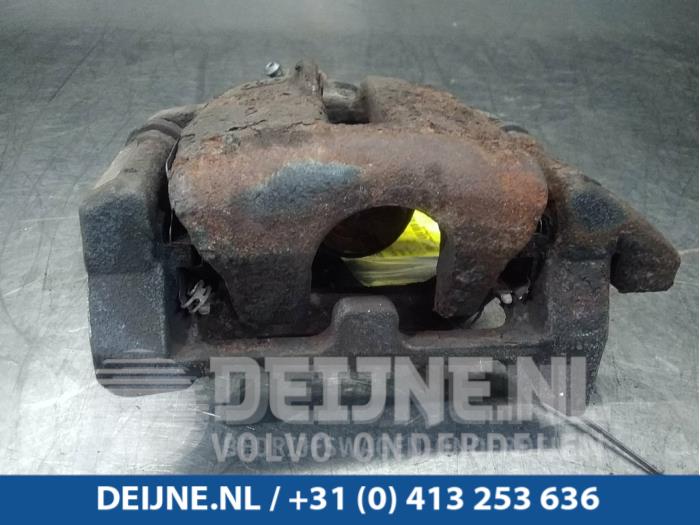
Brake caliper carrier – 8K0615426
€9.00
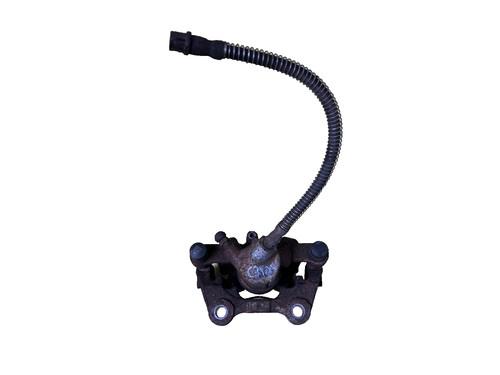
Brake caliper carrier – A2044230394
€9.12

Brake caliper carrier – A2044210994
€9.12

Brake caliper carrier – 8251314
€9.26

Brake caliper carrier – 26225AG090
€9.26
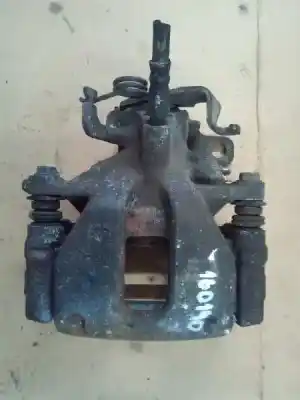
Brake caliper carrier – Y01855
€9.68
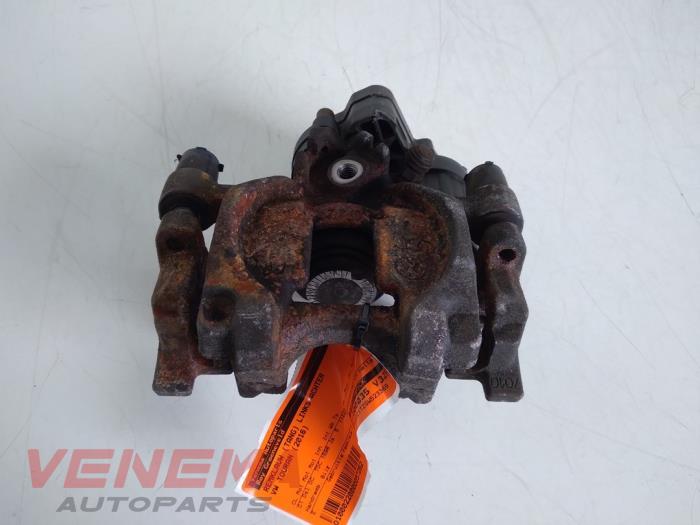
Brake caliper carrier – 8V0615425
€9.99
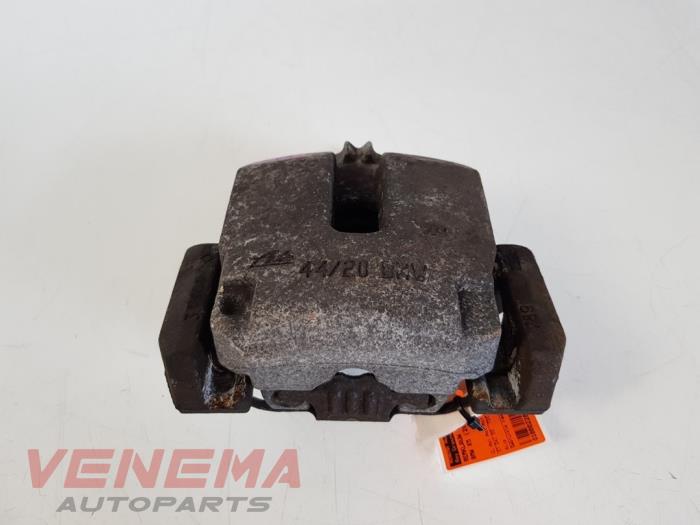
Brake caliper carrier – 34216776936
€9.99
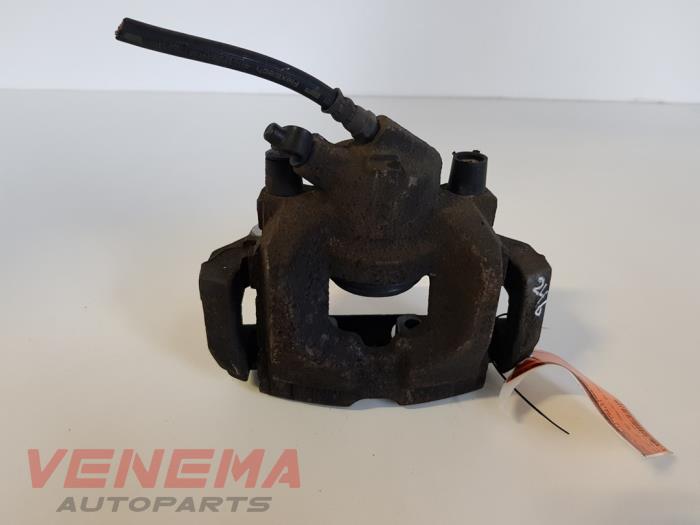
Brake caliper carrier – 34116769095
€9.99
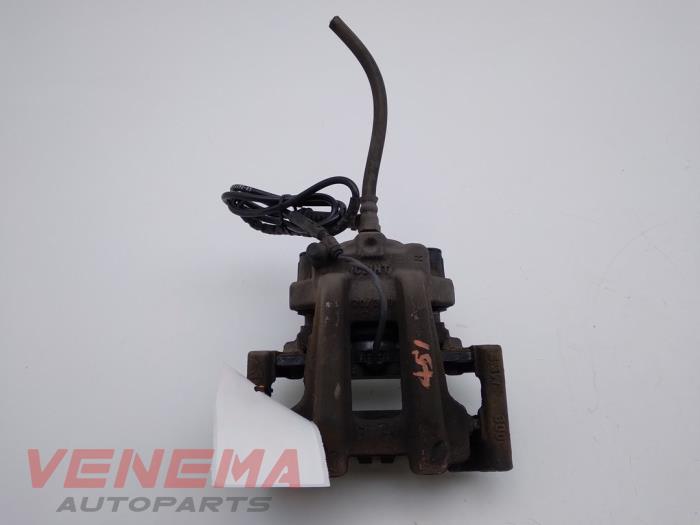
Brake caliper carrier – 34216850860
€9.99
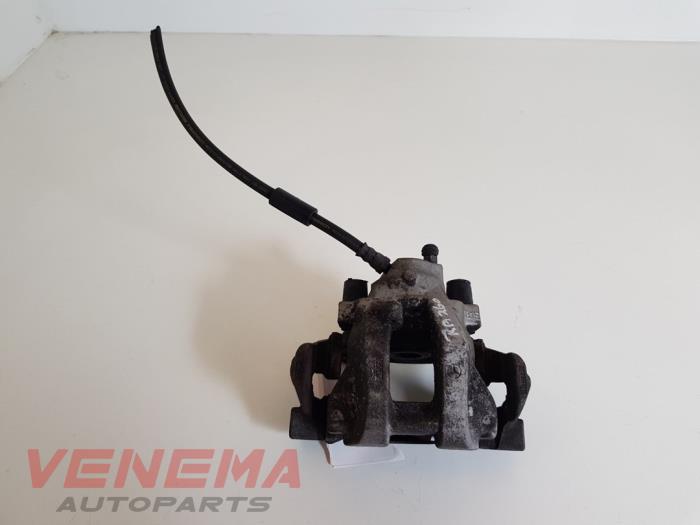
Brake caliper carrier – 2124230394
€9.99
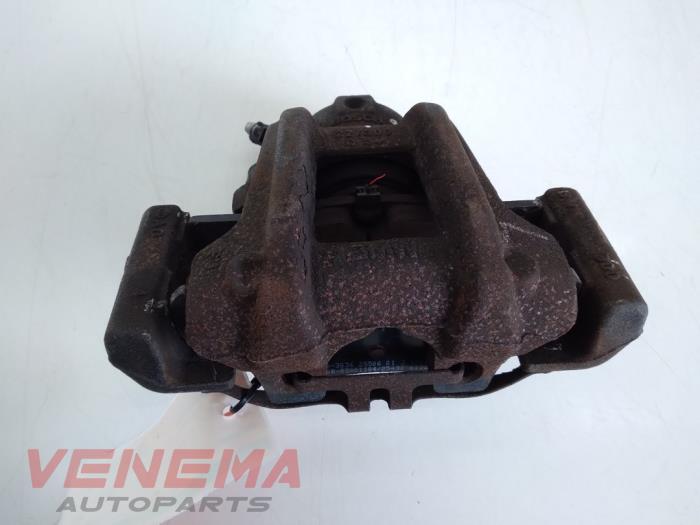
Brake caliper carrier – 34116850648
€9.99

Brake caliper carrier – 31381436
€10.00

Brake caliper carrier – 4404H1
€11.11

Brake caliper carrier – 36002607
€11.58

Brake caliper carrier – 34116850971
€12.96
What is the Brake Caliper Carrier and when should it be replaced?
- Uneven pad wear: one pad down to metal while its partner is barely used, the surest carrier sign.
- Grinding or rattling from one wheel: a pad rocking on rusty ledges instead of sitting flat.
- A wheel that runs hot: rust scale holding a pad against the disc, and you can smell it after a drive.
- Pulling to one side when braking: one corner gripping later or harder than its opposite number.
- Squeal that new pads did not cure: the pads are vibrating on scale, not touching a wear indicator.
- Pads worn at an angle: a seized guide pin, so the caliper no longer sits square on the disc.
How to choose the right Brake Caliper Carrier for your car?
- Vehicle make, model, and year: Brakes get revised at facelifts even when the body looks unchanged.
- OEM part number: Two carriers a few millimetres apart look identical, and the number separates them.
- Front or rear axle: Front and rear carriers are different castings and never swap.
- Left or right side: Plenty of carriers fit either side, but some cars insist on left and right parts.
- Brake disc diameter: The carrier has to put the pads on the disc face, so diameter must match.
- Brake system manufacturer: ATE, TRW, Brembo, and Bosch systems each use their own carriers.
- Engine version: Stronger engines often bring bigger discs, and bigger discs need a bigger carrier.
- Mounting points and bolt spacing: The holes must line up with the knuckle on one side and the caliper on the other.
- Brake caliper compatibility: The caliper has to slide on this exact carrier design, pins and all.
- Condition of sliding surfaces and threads: Scaled ledges, seized pin bores, or pulled threads defeat the point of the swap.
What to check before buying a Brake Caliper Carrier
- Photos: both pad ledges, both pin bores, and the threads, not just the casting from the side.
- Seller reputation: a dismantler trading for years, with solid recent ratings.
- Compatibility: OEM number, axle, and side, read against your car's build.
- Included components: guide pins, rubber boots, and pad shims in, or the bare bracket?
- Condition: scaled ledges, rounded bolt heads, a pin stuck in its bore, a stripped thread.
- Testing: word that the pins were pulled out and slid freely in their bores.
- Warranty and returns: get them in writing, since a seized bore may only show up on fitting.
- Shipping: heavy for its size, so the postage line deserves a glance before the price does.
- Documentation: which car it left and how many miles that car had covered.
How much does a Brake Caliper Carrier cost?
- Disc size: a carrier for larger discs is more iron and turns up less often.
- What is included: pins, boots, and shims in the box spare you another order.
- Axle and side: front carriers are everywhere, some rear ones are hard to find.
- Brand: a maker's stamp and a readable number beat a blank casting.
- Model rarity: common cars mean cheap carriers, low-volume cars the opposite.
- Condition: clean bores and flat ledges earn the higher price.
Upgrade your brakes with these quality parts
- Brake caliper: the part that slides on the carrier, and what people replace when the carrier was the fault.
- Brake discs: the carrier is sized to their diameter, so measure their wear at the same time.
- Brake pads: seat on the carrier's ledges, and go in new whenever those ledges are cleaned up.
- Brake drum: the rear setup on smaller cars, with no carrier but the same rust troubles.
- Brake disc dust cover plates: the thin shield behind the disc, often rusted through by the time the carrier needs work.
- Brake hose: flexes beside the caliper with every turn of the wheel, and cracks with age.
- Wheel hub spindle knuckle: what the carrier bolts to, and its threads matter as much as the carrier's own.
- ABS sensor: sits by the disc reading its ring, and is easiest to inspect with the wheel off.