
Filters
Tire pressure sensor

6781847
Tire pressure sensor – 6781847
€5.00

4E0907277B
Tire pressure sensor – 4E0907277B
€5.00

9655026480
Tire pressure sensor – 9655026480
€5.00

4H231A166AA
Tire pressure sensor – 4H231A166AA
€5.00

7PP907283
Tire pressure sensor – 7PP907283
€5.00

8200023746
Tire pressure sensor – 8200023746
€5.00

4E0907277
Tire pressure sensor – 4E0907277
€5.00

13172992
Tire pressure sensor – 13172992
€5.00

4F0907283
Tire pressure sensor – 4F0907283
€5.00

4D0907277
Tire pressure sensor – 4D0907277
€5.00

13172977
Tire pressure sensor – 13172977
€5.00

5WK47595
Tire pressure sensor – 5WK47595
€5.00
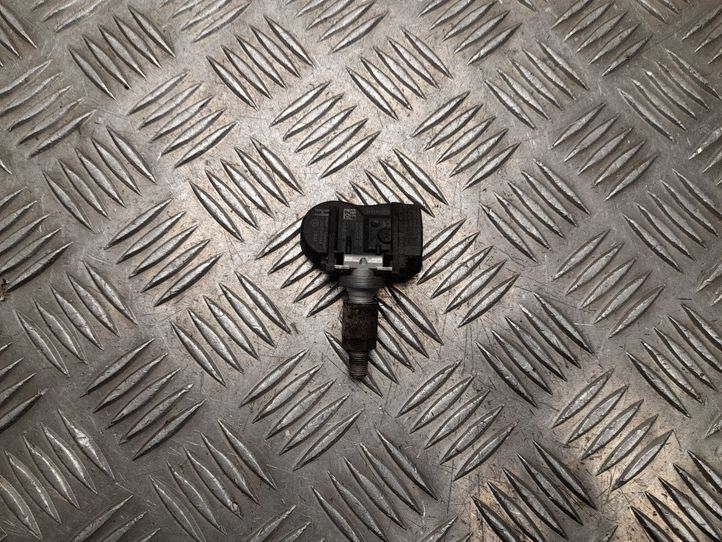
GX631A159AA
Tire pressure sensor – GX631A159AA
€5.00

9661360280
Tire pressure sensor – 9661360280
€5.00

6781846
Tire pressure sensor – 6781846
€5.00

6855539
Tire pressure sensor – 6855539
€5.00

433MHZ
Tire pressure sensor – 433MHZ
€5.00

1K0907255C
Tire pressure sensor – 1K0907255C
€5.00

4F0907275B
Tire pressure sensor – 4F0907275B
€5.00

56044729AC
Tire pressure sensor – 56044729AC
€5.00
When should the Tyre Pressure (TPMS) Sensor be replaced?
A TPMS sensor monitors the air pressure inside a tyre and warns the driver when it drops well below where it should be. There are two kinds of tyre pressure monitoring system: direct, where a battery-powered sensor inside each wheel measures the real pressure, and indirect, where the car estimates it from the ABS wheel speeds instead.On direct systems the sensor clamps to the back of the valve, inside the wheel behind the tyre bead. Listings also call it a tyre pressure sensor, a tire pressure monitoring sensor, or a tire air pressure sensor, and each one runs on a small sealed battery that can't be changed on its own.TPMS is a legal requirement on newer cars. Every new model sold in Europe needed it from November 2012 and every new car from November 2014, and for cars first registered from 1 January 2012 the system is checked in the MOT, where a warning lamp showing a malfunction is a fail.Replace a sensor when you meet:
- A TPMS light that flashes then stays on: The system is reporting its own fault rather than low pressure.
- One wheel that never reports or reads wrongly: That corner's sensor battery or electronics have gone.
- A sensor past its lifespan: The sealed battery lasts roughly five to seven years, and then the whole unit is replaced.
- A corroded or snapped valve stem: Road salt eats the metal stems until they turn brittle.
- A light that returns after every tyre change: A sensor damaged during fitting, or seals that were never renewed.
- New wheels without sensors: A winter or alloy set needs its own sensors coded to the car.
How to pick the right TPMS Sensor for your car?
These sensors are small, sealed, and matched closely to the car.Frequency is the first check. European cars generally use 433 MHz sensors and North American cars 315 MHz, the two don't mix, and a sensor on the wrong frequency will never be heard however well it fits the wheel.Confirm the rest from there. Some sensors come pre-programmed for a model while others need cloning or coding with a TPMS tool, rubber and metal valve stems aren't always interchangeable, and the sensor body has to suit your wheel's valve hole. Check the car actually uses direct TPMS at all, because an indirect system has nothing in the wheels to replace, and ask for the donor's build year, since a used tyre pressure sensor's battery has been running since then.Give the left-hand panel your car, and only sensors that suit its wheels remain. Every result opens on the marketplace running the sale, with full details and checkout there.
- Vehicle make, model, and year: TPMS systems often differ between generations and facelift models.
- OEM part number: The most reliable way to confirm exact compatibility.
- Operating frequency: Sensors typically work at 315 MHz or 433 MHz and must match the vehicle.
- Direct or indirect TPMS system: Direct TPMS uses wheel-mounted sensors, while indirect TPMS does not.
- Valve type: Rubber and metal valve stems aren't always interchangeable.
- Sensor programming requirements: Some sensors are pre-programmed, while others need cloning or coding.
- Wheel compatibility: The sensor design must fit the specific wheel type and valve hole.
- Vehicle region/market: North American, European, and Asian vehicles can use different TPMS specifications.
- Battery condition (used sensors): TPMS batteries are sealed and can't usually be replaced.
- Condition of the sensor and valve: Check for corrosion, damaged threads, cracked housing, or worn seals.
What to check before ordering a Tyre Pressure Sensor online
Before paying, keep one thing in mind.A used sensor is a used battery, so the donor car's year matters more than the photos, and a seller who states it, or better still shows the sensor reading live on a TPMS tool, is the one worth buying from.Then work down the advert:
- Photos: The sensor unit, the valve stem, the threads, and the printed number.
- Seller reputation: A history of wheel and tyre parts sold, with recent positive feedback.
- Compatibility: OEM number and frequency, both held against your car's spec.
- Included components: With a fresh service kit and nut, or the bare sensor?
- Condition: White corrosion on the stem, damaged threads, or cracked housing all disqualify it.
- Testing: Read on a TPMS activation tool before removal, with the ID and pressure shown.
- Warranty and returns: Important, since a flat internal battery only shows once it's inside a tyre.
- Shipping: Light and small, so postage should be too.
- Documentation: The donor's build year, which is effectively the battery's age.
How much does a TPMS Sensor usually cost?
Cheap tpms sensors exist for a reason, and the reason is usually battery age, so read the price against the donor year.A used sensor from an ordinary car costs about €5-€15, original units with metal valves and recent build years €15-€35, and matched sets of four €30-€80.On Parthunt24 the tpms sensor price opens as low as 5.00, and these move it between listings:
- Single or set: When one battery dies, the other three are usually close behind, which makes sets good value.
- Build year: A younger donor means more battery life left to buy.
- Valve type: Metal-stem versions generally bring more than rubber ones.
- Programming state: Pre-coded sensors for your model save a cloning session.
- Brand and number: A stamped original is simpler to match than a blank unit.
- Stem condition: A clean, straight stem with good threads is most of the value.
Replacing TPMS Sensors? Inspect these parts too
A tpms sensor replacement happens with the tyre off the bead, which is the best access you'll ever have to that corner of the car. While the wheel is apart, it's worth pricing these on Parthunt24:
- Tyres: The sensor sits inside these, and low pressure here is what it warns about.
- Tire pressure control module: The receiver that hears the sensors, and the suspect when all four go quiet.
- ABS wheel speed sensor: What indirect systems read instead of wheel sensors.
- ABS control module: Runs the indirect calculation and stores TPMS faults on many cars.
- Car dashboard: Shows the warning light, and cluster faults can look like sensor trouble.
- Light alloy rims: Corrosion in the valve hole stops any sensor sealing properly.
- Steel rims: The usual winter set, and each wheel needs its own sensor.
- Spare wheel: Rarely monitored, but worth checking its pressure the old way.
Tire Pressure Sensors at unbeatable prices on Parthunt24
One sensor is cheap. Four of them at a tyre shop's counter price is serious money, and a winter wheel set doubles the count again.That's the maths Parthunt24 is useful for. It reads the whole used market in one search, so every tpms sensor for sale that matches your frequency and valve lines up with its tpms sensor price shown, from single sensors to full sets, and ordering your tpms sensor online finishes on the seller's marketplace at no extra cost. The build year sits in the listings too, so the battery maths is done before you pay.Compare prices across every listing, buy tpms sensor sets or singles from whoever asks least, and find the right tpms sensor for your wheels today.