
Filters
Timing belt tensioner

AH32AA
Timing belt tensioner – AH32AA
€9.50

7835417
Timing belt tensioner – 7835417
€15.00

078903133Q
Timing belt tensioner – 078903133Q
€15.29

FX236K254AA
Timing belt tensioner – FX236K254AA
€20.00
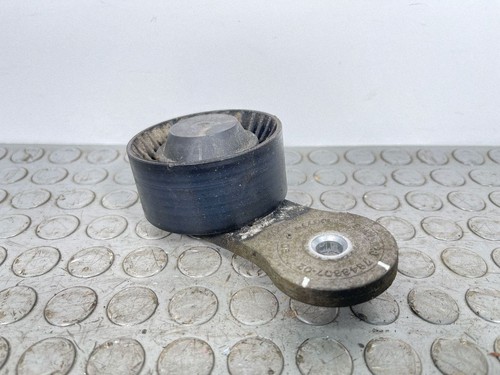
7848607
Timing belt tensioner – 7848607
€20.12
FB3Q8D611AB
Timing belt tensioner – FB3Q8D611AB
€24.50

A1772003400
Timing belt tensioner – A1772003400
€25.00
When should the Timing Belt Tensioner be replaced?
A timing belt tensioner keeps the timing belt at the correct tension so the camshaft and crankshaft stay exactly in step. If the tensioner fails, the belt can slacken, slip, or jump teeth, the valve timing goes wrong, and on most modern engines the pistons and valves then collide, which wrecks the engine.The engine timing belt tensioner sits behind the plastic timing cover at the front of the engine, riding against the belt's smooth back. Some are simple spring-loaded pulleys, some are hydraulic timing belt tensioner units with a small oil damper, and older engines use an adjustable timing belt tensioner that's set by hand with a tool. British listings often say cambelt tensioner, and it's the same part.When a belt tensioner goes bad, the bearing inside its pulley usually gives out first. The belt loses its steady tension, timing accuracy suffers, and the noise starts well before the failure, so a new sound from the timing cover needs looking at the same week.Signs it's due:
- Whining or rattling from the timing cover: The pulley bearing running dry, and the classic early warning.
- A tick or chirp that rises with revs: The belt flapping against the cover as tension drops.
- Squealing on cold starts: A tired tensioner gripping worst when the oil is thick.
- Fluid weep from a hydraulic unit: A leaking damper can no longer hold its set tension.
- Frayed belt edges at inspection: The belt wandering on its pulleys because tension is uneven.
- Misfires or a sudden no-start: The belt has already jumped a tooth or more, so stop driving.
How to pick the right Timing Belt Tensioner for your car?
Nothing about this part is universal.A tensioner is engine-specific down to its casting, so start at the OEM number, and check the engine code before the badge, since two cars with the same engine size can run different timing systems.Confirm the engine actually runs a belt, because chain engines use different tensioners entirely. Match the design, spring, hydraulic, or manually adjustable, since the three aren't interchangeable, and check that the mounting holes and any bracket suit your block. If the offer is a kit, the belt and idlers inside it must be the ones specified for your engine, and names such as INA, Gates, Dayco, or SKF on the parts are a good sign.Punch your car’s details into the left-side filter, and tensioners for other engines drop away. Choosing an offer opens it on the marketplace it was posted to, description and payment there.
- Vehicle make, model, and year: Timing systems often differ between generations and facelift models.
- OEM part number: The most reliable way to confirm exact compatibility.
- Engine type and engine code: Even engines with the same displacement may use different timing components.
- Timing belt system: Ensure the tensioner is designed for a timing belt engine, not a timing chain.
- Manual or automatic tensioner: Different engines use different tensioner designs that are not interchangeable.
- Mounting points: Bolt holes and mounting brackets must match the engine block.
- Timing belt kit compatibility: The tensioner should match the timing belt and idler pulleys used in the engine.
- Manufacturer specification: Original equipment suppliers (such as INA, Gates, Dayco, or SKF) may have engine-specific designs.
- Condition of the tensioner: Check for smooth pulley rotation, damaged bearings, cracks, or excessive wear.
- Included hardware: Verify that any required bolts, springs, or mounting components are included if needed.
What to pay attention to when ordering a Timing Belt Tensioner online
Reading the original advert, give the pulley your full attention.The bearing inside the pulley is what fails, so a listing worth buying from says the pulley spins smoothly with no roughness or play, and shows the running face unmarked.Beyond that, judge these:
- Photos: The pulley face, the spring or damper, the bracket, and the printed number.
- Seller reputation: Engine parts in the sales history and satisfied recent buyers.
- Compatibility: OEM code held next to your engine code instead of the model badge.
- Included components: A full kit with belt and idlers, or the tensioner by itself?
- Condition: Any bearing noise, seized adjustment, weeping damper, or cracked pulley ends it.
- Testing: Unused kits from cancelled jobs are the safest buy, and sellers say so when they are.
- Warranty and returns: Matters here, since the labour to fit it costs more than the part.
- Shipping: Boxed so the pulley face and any hydraulic unit travel protected.
- Documentation: Donor mileage, and whether the belt was renewed at the same time.
How much does a Timing Belt Tensioner cost?
The used market here is mostly unused kits from cancelled jobs, low-mileage donors, and older engines where new parts are getting scarce, which keeps the timing belt tensioner cost reasonable.A bare used tensioner runs about €10-€30, an unused kit with belt and idlers €30-€80, and hydraulic units or rare-engine kits €80-€150.On Parthunt24 the timing belt tensioner price begins at 9.50. The rest of the price comes down to:
- Bare part or full kit: A boxed kit with belt and idlers beats a lone pulley on value.
- New-old-stock or removed: Unused parts from abandoned jobs take the range's upper end.
- Spring or hydraulic: Damped units cost more to make and more to buy.
- Brand on the parts: INA, Gates, Dayco, and SKF stampings support the asking price.
- Engine rarity: Discontinued engines push prices up as new supply disappears.
- Water pump included: Some kits add the pump, which saves a separate purchase.
Faulty Timing Belt Tensioner? Inspect these surrounding parts
The timing system ages as a set, so the parts around a worn tensioner are usually worn too. Worth pricing at the same time on Parthunt24:
- Timing belt: Renewed together with the tensioner, never separately.
- Timing belt cover: Cracked covers let grit in, and grit wears belts out fast.
- Water pump: Driven by the belt on many engines, and changed with it as a rule.
- Crankshaft gears: Worn teeth here shred a new belt from below.
- Timing belt chain tensioner: The equivalent part for chain engines, in its own category.
- Camshaft: The shaft the belt drives, and the first part damaged when timing jumps.
- Crankshaft pulley: Its rubber damping ring fails with age and makes the belt run unevenly.
- Cylinder head: What holds the valves that bend when a belt fails, priced here for the worst case.
Timing Belt Tensioners at affordable prices on Parthunt24
The labour is the expensive half of any cambelt job, and that changes how the parts should be bought. A slightly wrong tensioner fails early, ruins the belt and often the valves, and brings a second round of the same labour bill, so the part has to be right the first time, and a cheap kit is only a bargain if it's been checked.Parthunt24 helps with both. One search returns the used timing belt tensioner kits and single units listed across Europe's marketplaces, priced together with engine codes and contents stated.Match the code, compare every timing belt tensioner price on the page, and order the right kit for the lowest price out there, once, today.