
Filters
Fuel tank cap

8K0010508
Fuel tank cap – 8K0010508
€5.00

A2517570206
Fuel tank cap – A2517570206
€5.00

7M0809905F
Fuel tank cap – 7M0809905F
€5.00

7H0809905B
Fuel tank cap – 7H0809905B
€5.00

7206558
Fuel tank cap – 7206558
€5.00

9650573477
Fuel tank cap – 9650573477
€5.00

3C5809857
Fuel tank cap – 3C5809857
€5.00

2122599
Fuel tank cap – 2122599
€5.00

8K0809907
Fuel tank cap – 8K0809907
€5.00

8200213437
Fuel tank cap – 8200213437
€5.00

695102S000
Fuel tank cap – 695102S000
€5.00

90559414
Fuel tank cap – 90559414
€5.00

05155846AA
Fuel tank cap – 05155846AA
€5.00
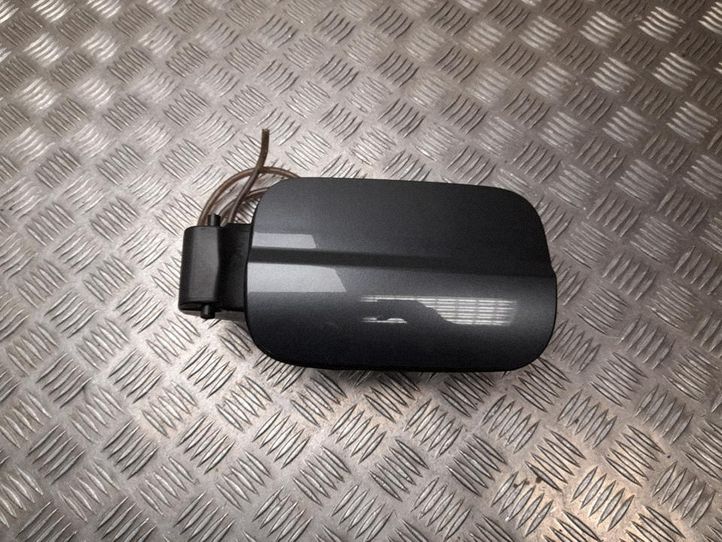
4G0809906C
Fuel tank cap – 4G0809906C
€5.00

8E0010190S
Fuel tank cap – 8E0010190S
€5.00

8K0809999A
Fuel tank cap – 8K0809999A
€5.00

8R0809999B
Fuel tank cap – 8R0809999B
€5.00

4G0809907
Fuel tank cap – 4G0809907
€5.00

1K5010440D
Fuel tank cap – 1K5010440D
€5.00

695101C000
Fuel tank cap – 695101C000
€5.00
Signs that your Fuel Tank Cap needs to be replaced
A fuel tank cap seals the filler neck so fuel can't evaporate away, dirt and rain can't get in, and the tank holds the pressure its vapour system expects. When the seal fails, the first sign on a modern car is usually not a smell but a check engine light, raised by the emissions system noticing the leak.A car fuel cap comes in several forms, plain screw-on, quarter-turn bayonet, locking with its own key, or tethered to the flap, and most ratchet with a click once the seal is tight. Catalogues write it as a petrol cap or a gas cap too, and the newest cars skip it entirely with capless filler necks.A loose fuel tank cap is the single most common cause of a check engine light. The vapour system tests itself for leaks, a cap that no longer seals fails that test, and codes such as P0455 or P0457 are stored. Tighten the cap until it clicks, and the light usually clears itself over the next few days of driving.A missing or leaking filler cap is also picked up at the MOT, because the tester checks the fuel system for leaks, and a cap that can't seal is a fail. An MOT-approved cap is simply one that genuinely fits your neck and closes properly.Match what you notice against the likely cause:
- Fuel smell around the vehicle: A worn or split gasket letting vapour past the cap.
- Check engine light appears: The EVAP system failing its leak test because the cap no longer seals.
- Fuel cap does not tighten or click: A worn ratchet mechanism or stripped cap threads.
- Fuel cap is difficult to remove or install: Damaged threads, grit in the neck, or a distorted cap body.
- Hissing sound when opening the fuel cap: Brief pressure release is normal, while loud and constant points to vapour-system trouble.
- Fuel vapour smell after refuelling: The cap seated crooked, or its seal no longer meeting the neck.
- Fuel cap warning message on dashboard: Cap left loose, a failing cap sensor on cars that have one, or a damaged sealing face.
- Moisture or dirt entering the fuel filler area: A cracked cap shell or a perished outer seal.
- Cap is loose while driving: A snapped tether, worn locking tabs, or the wrong replacement cap fitted.
How to choose the right Fuel Tank Cap for your car?
A cap is matched to its neck, so the checklist is short but strict.
- Make, model, and year: Filler necks changed across generations, and the cap follows the neck.
- OEM part number: Printed inside most caps, and the shortest route to a proper seal.
- Fuel type: Petrol and diesel caps differ, and diesel necks are wider by design.
- Cap type: Screw-on, quarter-turn bayonet, locking, or tethered, so match what you have.
- Thread design: Diameter and thread pitch must copy the old cap exactly.
- Seal material and shape: The rubber ring does the whole job, and its profile must suit the neck.
- EVAP system compatibility: Modern cars need a sealed cap, while vented caps belong on pre-emissions vehicles only.
Things to check before ordering a Fuel Tank Cap online
On the original advert, most of what matters is the seal.The gasket is the part doing the work, and a perfect-looking cap with a flattened seal fails the same leak test as no cap at all, so the photo worth studying is the one showing that rubber ring.Then down the rest of the listing:
- Photos: The gasket face-on, the threads or bayonet lugs, and any key.
- Seller reputation: Plenty of sold small parts and buyers who came back.
- Compatibility: The number inside the cap held against your car's filler.
- Included components: Keys with a locking cap, the tether, the trim ring.
- Condition: A supple, uncracked gasket, clean threads, an unfaded shell.
- Testing: For locking caps, confirmation that the key turns freely both ways.
- Warranty and returns: A cheap part, but a return route still beats re-ordering blind.
- Shipping: Watch the postage line, which can outweigh the cap itself.
- Documentation: The donor car's year, since gaskets harden with age.
How much does a Fuel Tank Cap typically cost?
A fuel cap replacement is the cheapest check-engine-light fix there is, and the price spread stays narrow.A plain used fuel tank cap costs about €3-€10, a locking cap complete with its keys €10-€25, and original caps with trim, tether, or a rare fitting €25-€50.Fuel tank cap prices on Parthunt24 open from 5.00. What separates the listings:
- Locking or plain: A barrel and a pair of keys roughly double the money.
- Keys present: A locking cap without its keys is close to worthless.
- Original or aftermarket: A factory cap with its number beats an unmarked copy.
- Trim and tether included: The recess ring and strap save a second search.
- Model rarity: Caps for widespread necks cost pennies, and odd ones rather more.
- Gasket condition: A supple seal is the entire point, and priced accordingly.
Fuel Tank Cap doesn't fit right? Inspect and replace these components
A cap that won't seat is often telling you about the parts around it, so while you're searching, look at the rest of the filler on Parthunt24:
- Fuel tank filler neck pipe: The neck the cap seals against, and rust here defeats any cap.
- Fuel tank cap lock: The barrel and key half of a locking cap, sold on its own for many models.
- Fuel tank cap lock motor: The small motor that locks the filler flap on central-locking cars.
- Fuel tank cap trim: The surround in the filler recess that keeps the cap sitting straight.
- Fuel tank filler cap: The same part under its other catalogue name, worth searching as well.
- Fuel tank: Holds what the cap protects, and its breather lines age alongside it.
- Fuel level sensor: The float inside the tank, upset by debris that gets past a bad cap.
- Fuel pump: Lives in the tank below the neck, so grit past a bad cap heads its way.
Fuel Tank Caps at unbeatable prices on Parthunt24
Plenty of people end up on their second or third cap before finding one that fits. One gets guessed at the filling station, one gets ordered from a photo, and through all of it the check engine light stays on, over the cheapest part on the car.Parthunt24 removes the guesswork by filtering on the car first. Every fuel cap for sale in the results is a genuine fit, with its fuel tank cap price beside it and keys and gaskets stated up front.The whole market sits in one column with nothing added to any price.Pick the cap with the healthy gasket, keep the keys if it locks, and the fuel cap replacement is done for pocket change today.