
Filters
Fuel distributor

2381027030
Fuel distributor – 2381027030
€10.00

1184632
Fuel distributor – 1184632
€10.00

2721501
Fuel distributor – 2721501
€11.50

036133ASSY
Fuel distributor – 036133ASSY
€12.00

7568051
Fuel distributor – 7568051
€15.00

MR420916
Fuel distributor – MR420916
€17.00

281002475
Fuel distributor – 281002475
€18.63

280151258
Fuel distributor – 280151258
€21.79

07Z133317
Fuel distributor – 07Z133317
€23.99

035133353AB
Fuel distributor – 035133353AB
€28.00
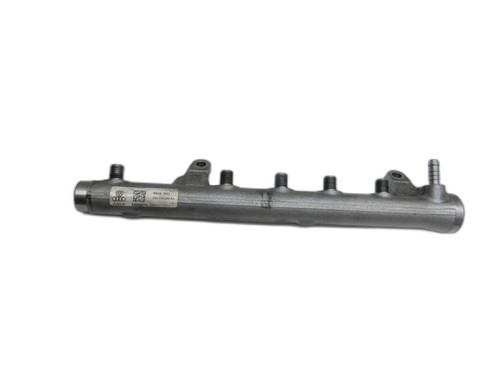
03L130089AA
Fuel distributor – 03L130089AA
€29.00

034133353C
Fuel distributor – 034133353C
€58.41

80A201559B
Fuel distributor – 80A201559B
€84.00
When should the Fuel Distributor be replaced?
A fuel distributor is the metering unit at the heart of older mechanical fuel injection, dividing fuel from one pump into equal streams for each cylinder's injector. In a car it is the drum-shaped alloy block on the intake side of the engine with one fuel line leaving it per cylinder; the same name belongs to firms that deliver fuel in bulk, but under a bonnet it means this part.Do not confuse it with the ignition distributor, the electrical part that shares half the name and handles spark, not petrol. This is the mechanical fuel distributor Bosch built for its K-Jetronic and KE-Jetronic injection, fitted from the early 1970s to the mid 1990s to cars from Mercedes, Audi, Volkswagen, Porsche, and Volvo among others, and listed today as a fuel injection distributor or a metering head.A fuel distributor works on air before fuel: a plate in the intake rises with the air the engine draws, and a piston linked to that plate uncovers one metering slit per cylinder, so the more air comes in, the more fuel each line receives. It meters continuously while the engine turns, which is what the C in CIS stands for.There is nothing electronic in it to fail. What ends a fuel distributor is the fuel: water rusts the control piston in its bore, stale petrol dries to varnish that glues it after storage, modern ethanol blends attack seals designed before ethanol existed, and the small fuel distributor parts inside, the seals and the diaphragm, shrink until the housing weeps. Replace or rebuild it when you meet:
- Hard starting, hot especially: internal pressure bleeding away, and a start that only comes when the airflow plate is pressed by hand points to a sticking piston.
- A rough idle that smooths with revs: the cylinders are being fed unevenly at small plate openings.
- One cylinder down with a wet plug: its metering slit or line passing less than the rest.
- No start after winter storage: varnish from stood fuel holding the piston fast.
- Fuel staining down the housing: the seals between the two halves have shrunk and it is weeping.
- Black smoke and petrol in the oil: the piston stuck rich, washing the bores on every drive.
How to choose the right Fuel Distributor for your car?
This is the one part of the fuel system where close enough will not run the engine.Every unit is calibrated to one engine's exact fuelling, so two distributors that look identical and bolt on identically can meter differently, and the number stamped on the housing is the only proof you are getting your engine's calibration.Count the outlets first, four, five, six, or eight, one per cylinder. Then match the system: a KE unit carries an electro-hydraulic actuator on its side that a plain K unit does not, lambda and non-lambda versions meter to different emissions rules, and none of it has anything in common with diesel injection. Check the ports and unions too, because the threads have to mate with the steel lines already on your engine.Put your car into the selectors on the left and the list narrows to units for your engine. Choosing one lands you on the marketplace where it is advertised, the seller's full page and checkout included.
- Vehicle make, model, and year: Injection changed year by year on these cars, so the build date counts.
- OEM part number: The stamped number is the calibration itself, not just the fit.
- Engine type and engine code: Each engine's fuel curve has its own distributor.
- Fuel injection system: K-Jetronic, KE-Jetronic, and the other CIS variants take different units.
- Fuel type: These are petrol parts, and diesel injection shares nothing with them.
- Number of fuel outlets: Four, five, six, or eight lines have to equal your cylinders.
- Connector and fitting types: Line unions and thread sizes must mate with your existing pipes.
- Pressure specifications: System and control pressures are set around one pump and one regulator.
- Vehicle emissions specification: Lambda and non-lambda versions meter to different rules.
- Condition of the housing and ports: Rust in the bores, chewed unions, or weep stains fail it on arrival.
Things to check before buying a Fuel Distributor online
Once the advert is open, treat every unit as unknown inside until the photos show otherwise, because all the wearing parts are internal.The picture that matters most looks straight down the fuel ports: bright metal means a unit that lived on clean petrol, and rust dust or brown varnish in the ports means the piston they feed is suspect too.Check the advert against this list:
- Photos: the stamped number, each port, the mating faces, and the plate side underneath.
- Seller reputation: a breaker who handles older stock and whose feedback says so.
- Compatibility: the stamped number letter for letter, since one digit apart is a different engine.
- Included components: with the airflow meter still bolted beneath, or the head alone?
- Condition: rusty ports, rounded unions, weep marks between the halves, missing screws.
- Testing: the words to look for are ran when removed, not turned over by hand.
- Warranty and returns: essential, because a stuck piston shows only with fuel pressure behind it.
- Shipping: residual petrol drained and the ports capped before it travels.
- Documentation: which car donated it, its engine code, and how long it stood before breaking.
How much does a Fuel Distributor cost?
The fuel distributor price follows rarity more than size, because nobody freely makes these any more.A used four-cylinder unit from a common model runs about €40-€120, five- and six-cylinder units €120-€300, and eight-cylinder, rare, or freshly rebuilt distributors €300-€700.On Parthunt24, fuel distributor prices open at 10.00. What moves one listing past another:
- Outlet count: more cylinders means fewer donor cars and higher prices.
- System version: KE units with their actuator bring more than plain K units.
- Model rarity: a unit shared across many cars stays cheap, a one-model unit does not.
- Condition inside: clean ports carry a premium that is worth paying.
- What is attached: sold with the airflow meter, lines, or regulator raises the price.
- Tested or shelf find: ran when removed is worth more than pulled from a stack.
Make sure your other fuel distribution components are running smoothly
Old fuel systems fail as a group, because everything in them has run on the same petrol for decades. A fuel distributor replacement is the right time to check the rest of that circuit, what feeds it and what it feeds, all on Parthunt24:
- Fuel injector: one per line on these systems, dribbling or whistling when tired.
- Fuel injectors set: a matched used set beats one odd injector on a metered system.
- Fuel injector supply pipe: the steel line from head to injector, kinked or stripped at its unions.
- Fuel main line pipe: brings petrol up from the tank, rusting quietly along the floor.
- Fuel pressure regulator: holds the system pressure the whole calibration is built around.
- Fuel pressure sensor: watches that pressure on later systems and flags when it sags.
- Fuel pump: CIS needs a strong pump, and a tired one imitates a bad distributor exactly.
- Fuel filter: cheap and critical, since everything that passes it reaches those ports.
Explore Fuel Distributor offers all in one place on Parthunt24
This part has not been made for decades. Anyone hunting one knows what that means. You watch auctions for weeks. You post on forums and hope. You ring a breaker two countries away who thinks they might have one somewhere. Parthunt24 shortens all of that to a single search. Every used fuel distributor advertised across eight marketplaces lands on one page. Each listing shows its fuel distributor price and its stamped number.Parthunt24 searches all of them so you do not have to. If the right unit sits on a breaker's shelf anywhere in Europe it will show up here.Compare prices. Match the stamped number to your engine. Then find a fuel distributor for your car today at the lowest price on the market.