
Filters
Exhaust pressure sensor


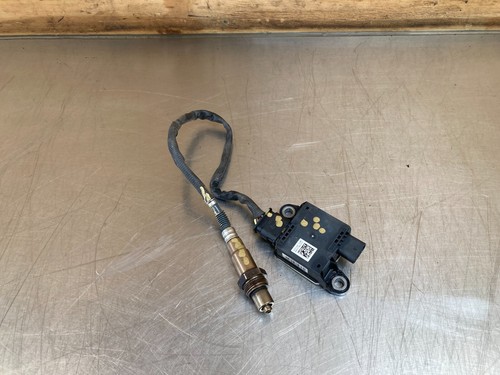
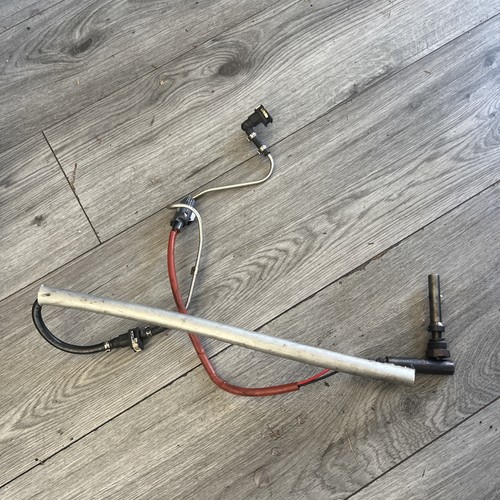
Symptoms of a faulty Exhaust Pressure Sensor
An exhaust pressure sensor measures the pressure of the gases inside the exhaust, and the engine computer uses that reading to monitor the engine and its emissions equipment. On most modern diesels it's a dpf pressure sensor, comparing pressure before and after the particulate filter to judge how full of soot the filter is, while some petrol cars use an exhaust back pressure sensor to watch the turbine instead.The sensor itself rarely touches the exhaust. It sits on a bracket in the engine bay, away from the heat, connected to the pipework by one or two thin hoses that push onto metal stubs near the filter. Listings call it an exhaust gas pressure sensor or a DPF differential sensor, and the part is small, plastic, and cheap next to what it protects.A faulty exhaust pressure sensor gives the ECU inaccurate readings about the particulate filter. If it reads too high, the car regenerates far too often, burning fuel and thinning the engine oil. If it reads too low, the filter is left to block solid, and a blocked DPF costs many times more than the sensor.The element drifts with age, and soot or condensation blocks the little hoses long before the sensor itself dies. Signs to act on:
- A DPF or engine warning light: The readings have left the range the computer will accept.
- Regenerations far too often: Fuel use climbs and, on diesels, the oil level creeps up instead of down.
- Regenerations that never come: The filter loads up quietly until the car goes into limp mode.
- Lost power and a breathless engine: The exhaust is genuinely blocked, or being reported as blocked.
- Codes in the P2452 to P2455 range: The circuit or the reading itself flagged by the ECU.
- Split or melted sensor hoses: Visible at a glance, and behind most false readings.
How to choose the right Exhaust Pressure Sensor for your car?
Several versions of this sensor can share one casing, which is where mistakes creep in.The sensor is calibrated to a set pressure range and plumbed through its ports, so a one-hose sensor can't do a two-hose job, and two sensors with identical plugs can still read on different scales. The OEM number confirms both.Diesel and petrol versions are separate designs, the engine code decides the range the ECU expects, and the emissions equipment the car left the factory with, filter, EGR, and all, has to match the sensor watching it. Count the hose ports and check their size and spacing against your old unit, and look at the plug last, because a connector that needs force doesn't fit.Filter by your car in the left-hand list, and only sensors for your engine remain. Pick one and the advert loads on the site that hosts it, full details and payment there.
- Vehicle make, model, and year: Emissions equipment changes mid-generation faster than the engine does.
- OEM part number: The printed number ties range, ports, and plug together in one code.
- Engine type and engine code: Each engine's exhaust runs at its own pressures.
- Fuel type: Diesels use DPF pressure sensors, and petrol cars use different exhaust sensors.
- DPF (Diesel Particulate Filter) compatibility: The sensor must suit the exact emissions equipment the car was built with.
- Connector type: The plug must fit your loom without force.
- Number of pins: Three-pin and four-pin sensors are wired differently.
- Pressure hose connections: One port or two, and their size and spacing, must copy the original.
- Pressure measurement range: The ECU expects readings on one scale and no other.
- Condition of the sensor and ports: Blocked ports, cracked bodies, or green pins disqualify it.
What to check before ordering an Exhaust Pressure Sensor
When the advert opens, start with the ports.Clean ports usually mean a sensor that was reading correctly, while ports packed with soot point to blocked hoses and unreliable readings, whatever the description says.Then take the rest in order:
- Photos: Both ports straight on, the plug's pins, and the code on the shell.
- Seller reputation: Years of steady selling and no pattern of complaints.
- Compatibility: The OEM number against your engine code, range included.
- Included components: With its bracket and hoses, or the sensor alone?
- Condition: Soot in the ports, a cracked shell, melted hose stubs, furred pins.
- Testing: A live pressure reading logged before removal beats a promise every time.
- Warranty and returns: Sensible protection, since drift only appears once the ECU starts using the readings.
- Shipping: Ports capped and the body boxed rather than loose.
- Documentation: The donor's mileage and whether its particulate filter was healthy.
How much does an Exhaust Pressure Sensor cost?
The exhaust pressure sensor price is small compared with the parts it protects, which is a good reason to change it early.A used sensor for a common diesel costs about €10-€30, an original unit complete with bracket €30-€60, and petrol-specific or rare versions €60-€120.On Parthunt24 prices start from 10.00. What separates one exhaust pressure sensor price from another:
- Ports and pins: Two-port, four-pin units bring more than the simple kind.
- What comes with it: Bracket and hoses in the box shorten the job.
- Engine rarity: Sensors for popular diesels are plentiful and inexpensive.
- Condition of the ports: Clean bores add value, and soot takes it away.
- Brand marking: A legible maker's stamp and number beat an anonymous shell.
- Tested before removal: A logged reading is worth a few euros extra every time.
Faulty Exhaust Pressure Sensor? Inspect these surrounding parts too
This sensor reports on a whole system, and the parts around it tend to age together. While the bonnet is open, it's worth looking along the exhaust on Parthunt24:
- Particulate filter: The DPF this sensor protects, and far more expensive to replace than the sensor itself.
- Exhaust gas temperature sensor: Reads exhaust heat close to where this one reads pressure.
- Lambda probe: Monitors the oxygen in the same gas stream, and its wiring suffers in the same heat.
- EGR valve: Recycles exhaust into the intake, and its soot is what blocks these sensor lines.
- Exhaust manifold: Collects the gases the sensor samples, and cracks where the heat cycles it.
- Exhaust pipe: Carries the tapping stubs the sensor's hoses push onto.
- Turbocharger: Runs on exhaust flow, so bad pressure readings and weak boost often appear together.
- Catalytic converter: Sits in the same stream on petrol cars, and worth checking at the same time.
Find the best deals on Exhaust Pressure Sensors on Parthunt24
Diagnosing a DPF problem often starts with a garage visit, a morning in the waiting room, and a quote that's hard to check. It's worth knowing the exhaust pressure sensor price before that conversation, because the fix is sometimes a twenty-euro sensor rather than a four-figure filter. Parthunt24 makes the number easy to find. One search covers the whole used market, and every offer appears with its price, its ports, and its seller shown together. The listings stay on the sellers' own marketplaces, and Parthunt24 takes nothing from the sale.Search once, compare the listings, and order your exhaust pressure sensor online with the real cost already settled.Then find the right exhaust pressure sensor for your car, before the bigger quote lands.