
Filters
Engine block
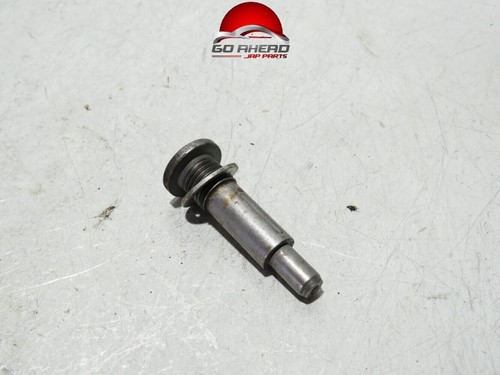
MBGU30
Engine block – MBGU30
€5.61

G9TJ742
Engine block – G9TJ742
€6.00
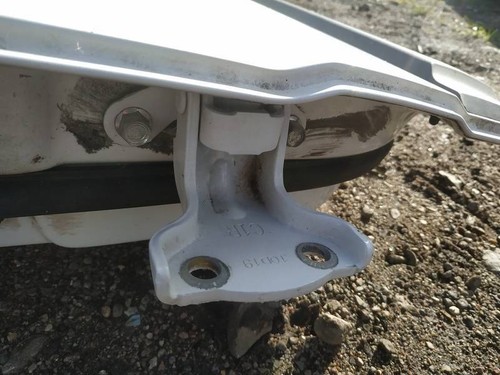
1748450
Engine block – 1748450
€6.00

271941
Engine block – 271941
€6.17

G9U754
Engine block – G9U754
€6.17

B5254T11
Engine block – B5254T11
€7.26

B37D15
Engine block – B37D15
€7.26

G9TD702
Engine block – G9TD702
€8.63

K4JG770
Engine block – K4JG770
€9.00

F8QK630
Engine block – F8QK630
€9.00

642861
Engine block – 642861
€10.99

K4M696
Engine block – K4M696
€11.00

30DDTX
Engine block – 30DDTX
€12.10

7523170
Engine block – 7523170
€15.00

90537846
Engine block – 90537846
€17.00

278929
Engine block – 278929
€21.50

31401922
Engine block – 31401922
€24.78

55561962
Engine block – 55561962
€25.62

03L021BG
Engine block – 03L021BG
€29.24

06E103032
Engine block – 06E103032
€30.00
Find the right Engine Block with Parthunt24
Coolant in the oil, white smoke from the exhaust, or a hairline crack in the casting usually point to engine block trouble, and finding a replacement isn't quick. Listings sit scattered across scrapyard sites, marketplaces, and forums, with engine codes that have to match exactly. Parthunt24 pulls used engine block listings together from marketplaces like Ovoko, eBay, Opisto, RicambiPro, ProxyParts, Ecooparts, Autoparts24 and TotalParts. Line up 115 offers by price and condition, check the listing details, and complete the purchase on the marketplace where it's hosted.
How to choose the right Engine Block for your car
A car engine block is the foundation of the engine, so even small mismatches in code, machining, or material cause serious problems. The crankcase and cylinder engine block work as a single casting, and replacing one means matching the exact spec of the original. On Parthunt24, search by OEM code, filter by engine code, or refine using Category, Manufacturer, Series, Model, Modification, and Price. Click any listing for the full details on the original marketplace and to complete the purchase there. Run through these on the seller's page before committing:
- Vehicle & engine code compatibility: Match make, model, year, engine code, and OEM part number exactly.
- Engine configuration: Inline, V-type, or boxer; correct number of cylinders.
- Block type: Bare block, short block, or long block.
- Bore size & machining: Cylinder bore diameter, oversize/undersize, and machining limits.
- Material: Cast iron (durable, common) or aluminum (lighter, modern engines).
- Crankshaft & main bearing alignment: Main bore alignment and bearing housing compatibility.
- Head compatibility: Correct cylinder head fitment, gasket layout, and bolt pattern.
- Condition: Used or rebuilt; check for cracks, warping, or liner damage.
- Cooling & oil passages: All internal channels intact and unblocked.
- Sensor & accessory mounts: Compatible with engine sensors, mounts, and ancillaries.
What to check before buying an Engine Block
Once you're redirected to the original listing, give it a thorough check before buying. Engine blocks are big-ticket parts that are tough to inspect after delivery, so the photos, the description, and the seller's terms should all look solid before you commit. Time spent here pays for itself many times over. Pay close attention to:
- Photos: Multiple angles of the deck, cylinder bores, and main bearing saddles.
- Seller reputation: Ratings, reviews, and trading history.
- Compatibility info: Part numbers, applications, or cross-references.
- Included components: Bare block, or with crankshaft, pistons, or sensors?
- Condition: Used, machined, or rebuilt? Look for cracks, scoring, or warping.
- Testing: Pressure-tested or sold as-seen? Tested blocks carry less risk.
- Warranty and returns: A clear policy if it doesn't fit.
- Shipping: Blocks are heavy and need crated or palletized packaging.
- Documentation: Part numbers, machining records, or proof of origin.
How much does an Engine Block cost?
Engine block price depends on the vehicle, brand, and condition. As a rough guide: a used block runs €200-€800, a rebuilt one €600-€1,800, and rare or performance blocks can climb past €2,500. On Parthunt24, find an engine block from 5.61. The price gap between listings comes down to a few things:
- Used vs rebuilt: Used pulls cost less. Rebuilt blocks come machined and tested.
- Bare vs short vs long block: Long blocks include more components and cost more.
- Brand: OEM tops the range; quality aftermarket sits below.
- Vehicle rarity: Common engines cheaper; performance applications cost more.
- Material: Aluminium blocks for modern engines often cost more than cast iron.
Engine Block cracked? Time to inspect these other parts too
A damaged block rarely causes only one problem. Cracks, warping, or wear take other components with them. Get a diagnosis before swapping the block, since some symptoms blamed on the block start in the parts that mount to it:
- Crankshaft: Inspect for scoring or wear if the block has run hot or low on oil.
- Pistons: Damage to the bores often means damaged pistons too.
- Cylinder head: Warping or cracks in the head can mimic block damage.
- Water pump: Failed water pumps cause overheating that damages the block.
- Oil pan: Worth checking for cracks or contamination during a block swap.
- Head gasket: A blown gasket can mask or cause block damage.
Save time and money searching for a used Engine Block with Parthunt24
Engine blocks are too expensive to buy on a hunch, and the right one for your car shouldn't take half an afternoon to find. Parthunt24 pulls every compatible engine block into one comparable view, sortable by price, fitment, or condition, so the comparison takes minutes rather than tab after tab. Compare prices side by side, weigh up condition, and land on the cheapest seller for your vehicle without trawling through forums or scrapyard listings. Compare prices, find the best deal, and pick up an engine block for your car today on Parthunt24.