
Filters
Accelerator pedal position sensor

Accelerator pedal position sensor – 2245690
€5.00
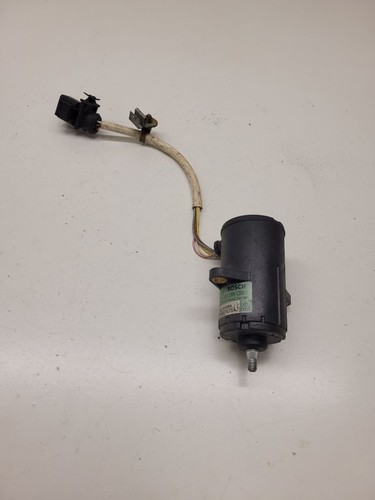
Accelerator pedal position sensor – 028907475S
€5.00

Accelerator pedal position sensor – 4B0959897B
€5.00

Accelerator pedal position sensor – 7H2723503D
€5.00
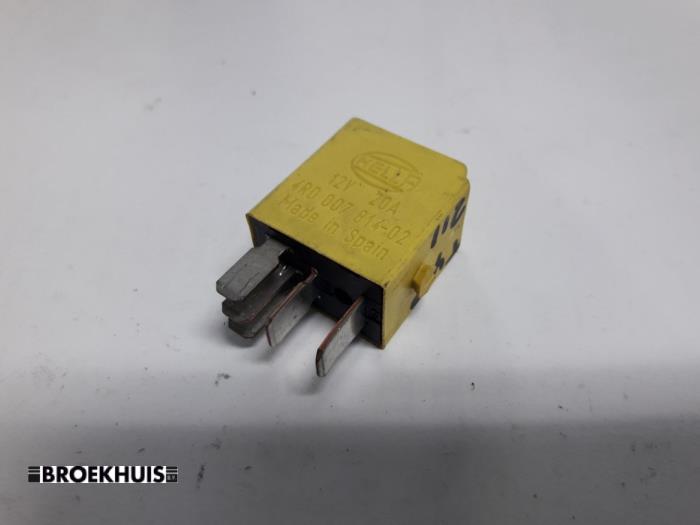
Accelerator pedal position sensor – 25421219
€5.00

Accelerator pedal position sensor – 7700413230
€5.50
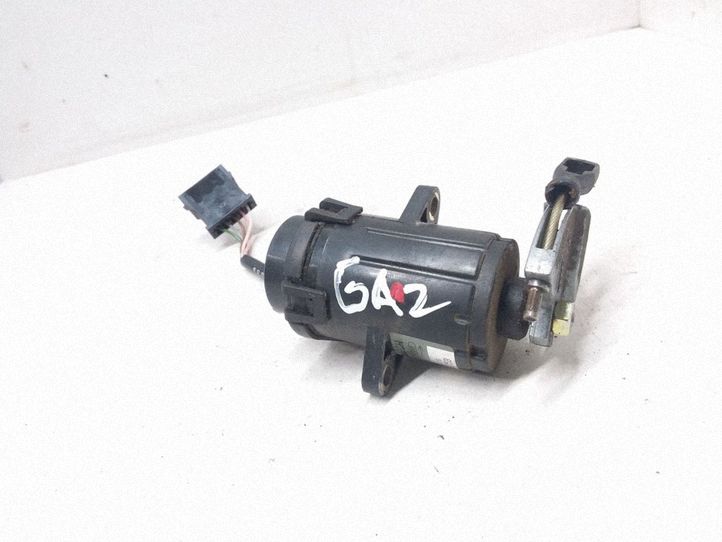
Accelerator pedal position sensor – 046907475B
€5.60

Accelerator pedal position sensor – 445821001002
€5.99

Accelerator pedal position sensor – 443721759C
€6.00
Accelerator pedal position sensor – 114007
€6.00

Accelerator pedal position sensor – 028907475AL
€6.99

Accelerator pedal position sensor – 6PV00908300
€7.30

Accelerator pedal position sensor – 028907475AJ
€7.54

Accelerator pedal position sensor – 2244132
€8.00

Accelerator pedal position sensor – 281002296
€8.00

Accelerator pedal position sensor – 7T119F836CB
€8.00

Accelerator pedal position sensor – 7700419589
€8.00

Accelerator pedal position sensor – 968075688002
€8.23

Accelerator pedal position sensor – 9650889180
€8.51
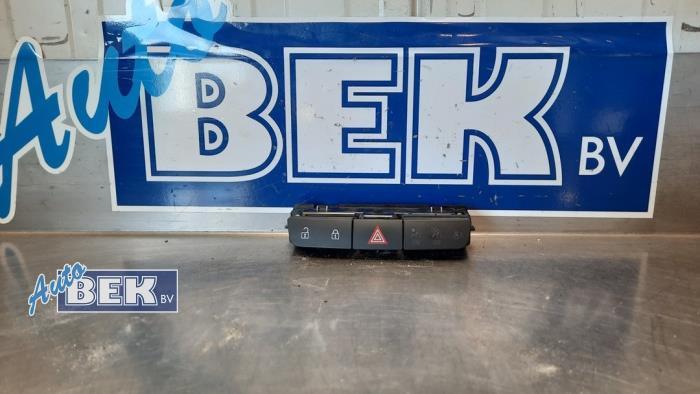
Accelerator pedal position sensor – BTGF30
€9.00
What does the Accelerator Pedal Position (APP) sensor do?
Symptoms of a faulty Accelerator Pedal Position Sensor
- Revs capped in limp mode: The two signals no longer agree, so the ECU limits power for safety.
- An engine that won't rev above idle: The failsafe response when the pedal signal is lost completely.
- A delay between pressing the pedal and the engine responding: One worn track responding late while the other responds on time.
- Surging while holding the pedal steady: An uneven signal that the ECU reads as pedal movement.
- An unstable idle when you're not pressing the pedal: Signal drift at the closed position caused by track wear.
- Check engine light with P2122 to P2138: The pedal circuit codes, which often identify the failed track.
How to pick the right Accelerator Pedal Position Sensor for your car?
- Vehicle make, model, and year: APP sensors often differ between generations and facelift models.
- OEM part number: The most reliable way to confirm exact compatibility.
- Engine type and engine code: Different engines may use different pedal assemblies and sensor calibrations.
- Fuel type: Petrol, diesel, hybrid, and electric models may use different APP sensors.
- Pedal assembly compatibility: Many APP sensors are integrated into the accelerator pedal and cannot be replaced separately.
- Connector type: The electrical connector must match the vehicle wiring harness.
- Number of pins: Sensors with different electrical configurations are not interchangeable.
- Transmission type: Some manual and automatic models use different pedal assemblies.
- Calibration requirements: Some vehicles require throttle or pedal adaptation after installation using a diagnostic tool.
- Condition of the pedal and connector: Check for damaged housing, worn pivot points, broken connectors, or corrosion.
What to check before ordering an APP sensor online
- Photos: The whole assembly, the pivot, the connector pins, and the label with the number.
- Seller reputation: Previous pedal and sensor sales, with positive recent feedback.
- Compatibility: The part number on the label checked against your car's, character by character.
- Included components: Complete pedal with bracket and bolts, or a separable sensor head?
- Condition: A sloppy pivot, cracked bracket, or corroded pins all end the sale.
- Testing: Both voltage tracks swept and confirmed rising smoothly together.
- Warranty and returns: Worthwhile, since a worn spot at cruising position may only show up when driving.
- Shipping: Rigid packaging, because pedal brackets can bend in soft parcels.
- Documentation: Donor car, mileage, and gearbox type all stated.
How much does an Accelerator Pedal Position Sensor cost?
- Head or whole pedal: Complete assemblies contain more parts and cost more.
- Model rarity: Common models mean plenty of donor pedals and lower prices.
- Tested sweep: Confirmed clean signals on both tracks are worth paying more for.
- Hybrid and EV versions: Fewer donor cars mean higher prices.
- Condition of the pivot: A tight, quiet pivot is a large part of what you're paying for.
- Fixings included: Bolts and the bracket included mean you don't need to find hardware separately.
Having APP sensor issues? Inspect these other components too
- Accelerator pedal: The assembly itself, listed separately where the sensor head detaches.
- Throttle position sensor: The throttle-body half of the pair, with near-identical symptoms.
- ECU: Compares the pedal's two signals and flags the fault when they differ.
- Battery: Low voltage can distort sensor readings, so rule it out before blaming the pedal.
- Alternator: Poor charging lowers system voltage and causes odd sensor readings.
- Wiring harness: The footwell loom kinks under the carpet, near feet and seat rails.
- Brake pedal sensor switch: Its faults can cut throttle response too, since the ECU reads both pedals.
- Transmission control module: Takes the pedal signal for kickdown and shift timing on automatics.